

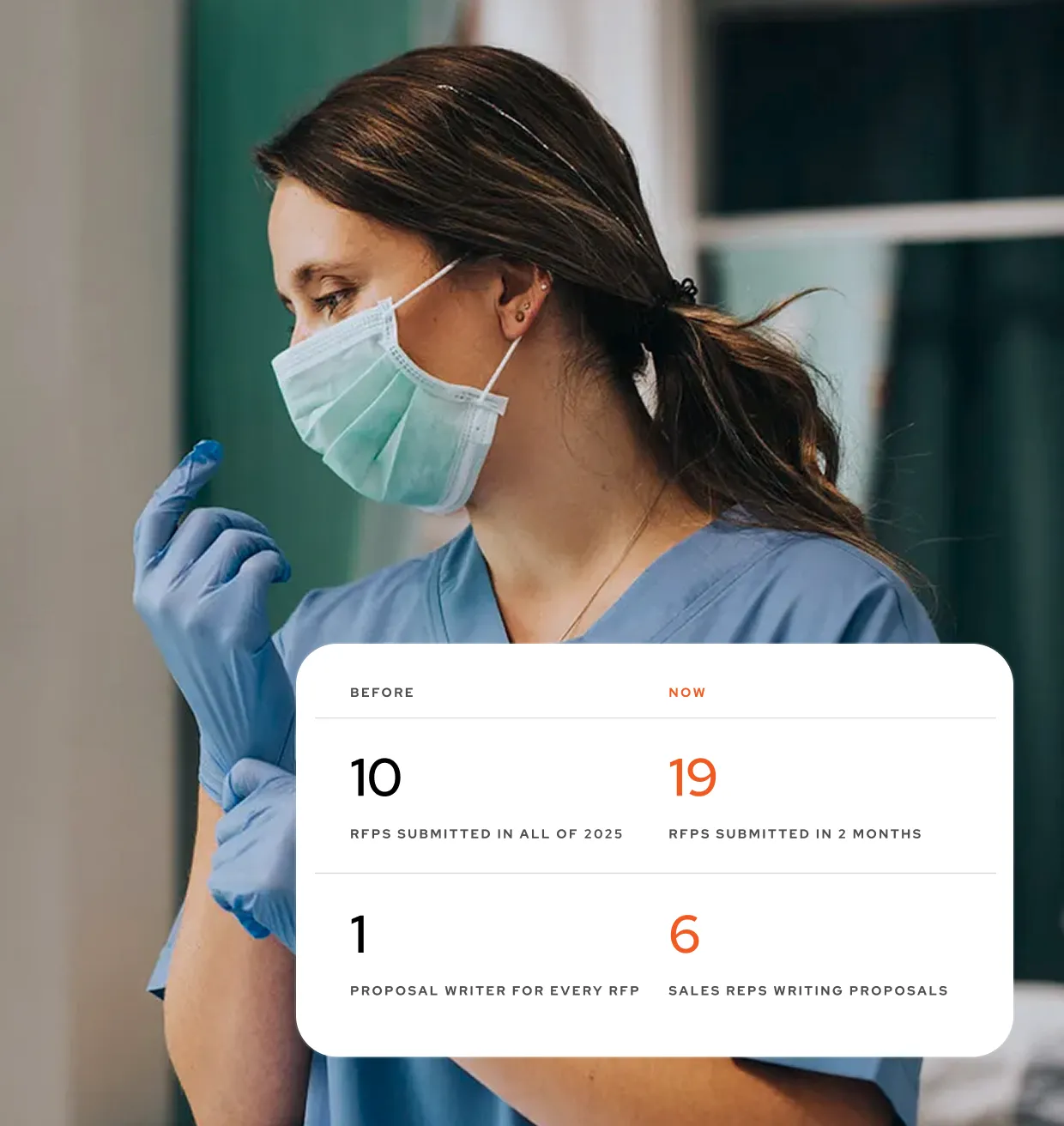
GlobalMed’s telehealth hardware and software bring care to people far from a hospital. Much of that work is won through public-sector RFPs. Sales reps found dozens of strong fits a month, but with only one proposal writer, they had to pick and choose between opportunities, so only a handful got a response.
Turns each RFP in HubSpot into a summary, a bid strategy, and first-draft answers.
Answers rep questions on products, specs, and past RFPs in plain language.
Pulls the pricing items out of every RFP so the sales lead can start quoting.
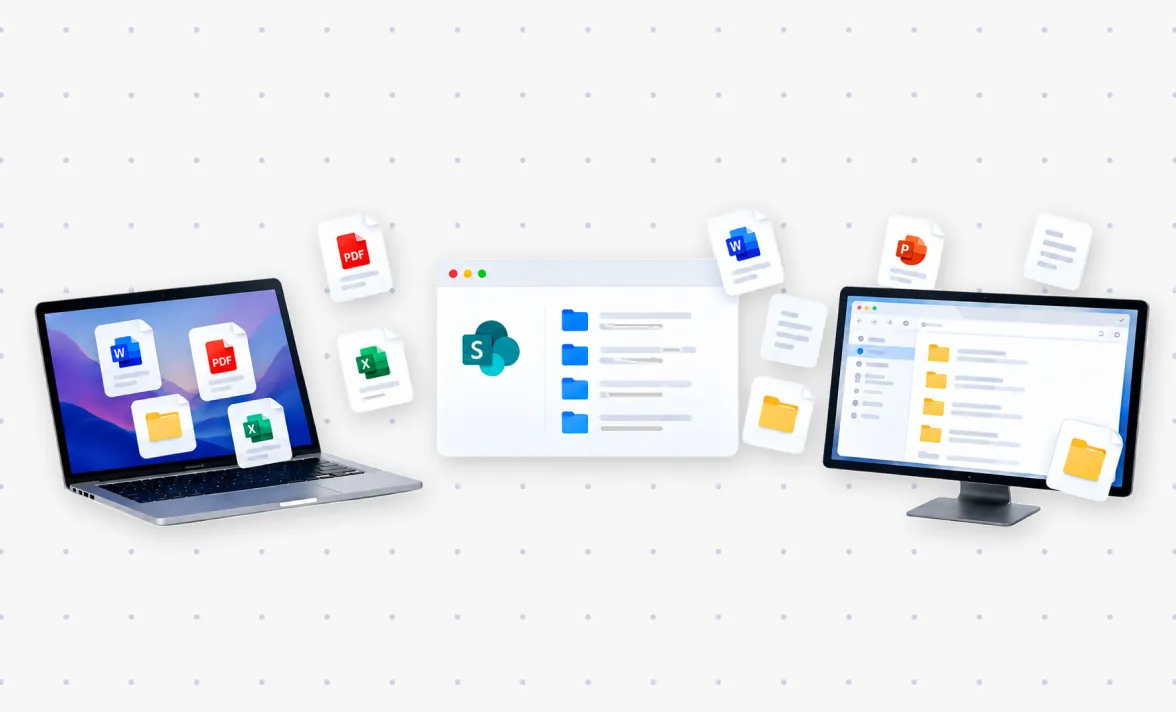
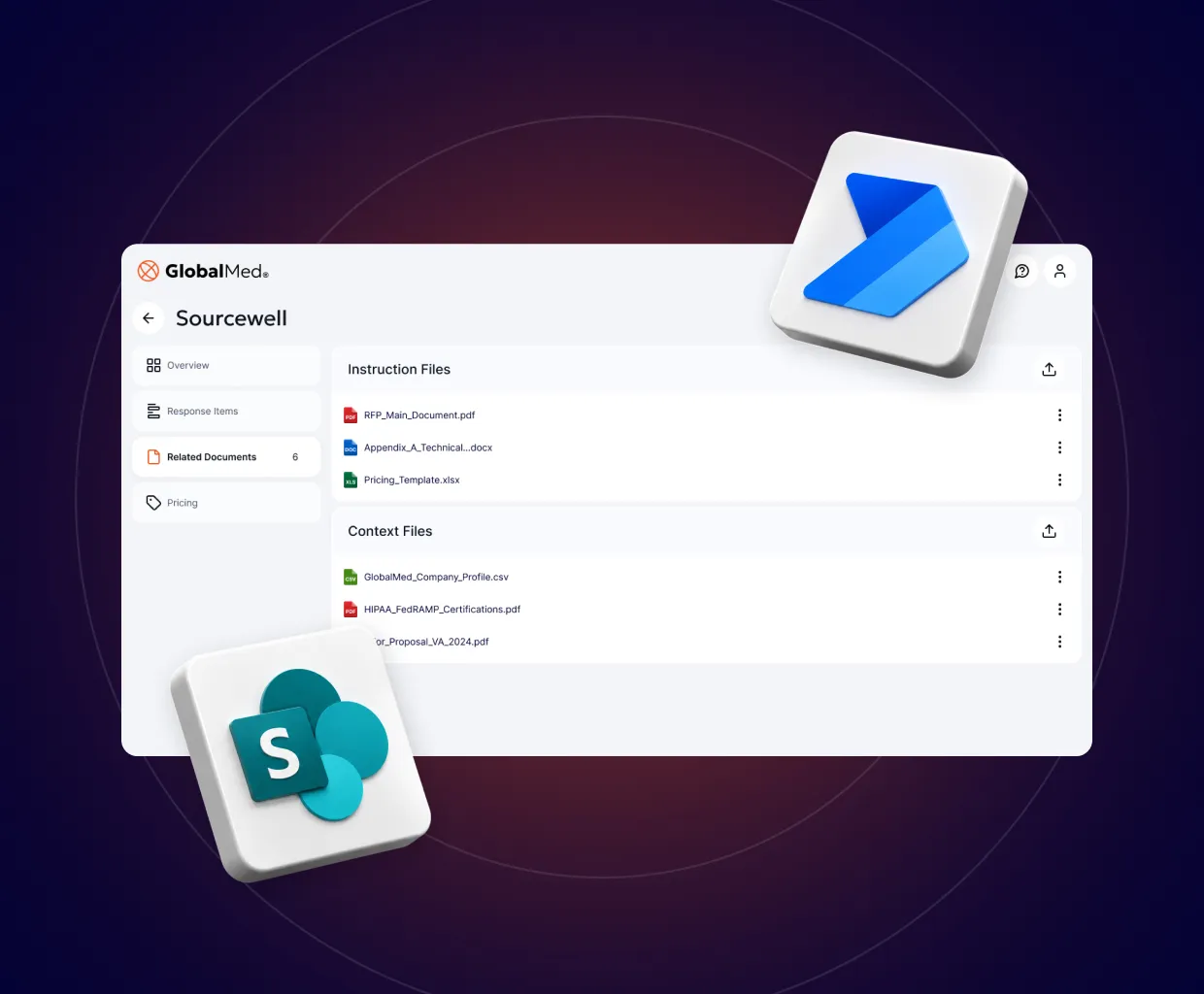
Product files GlobalMed’s team keeps current in SharePoint, synced into every answer.
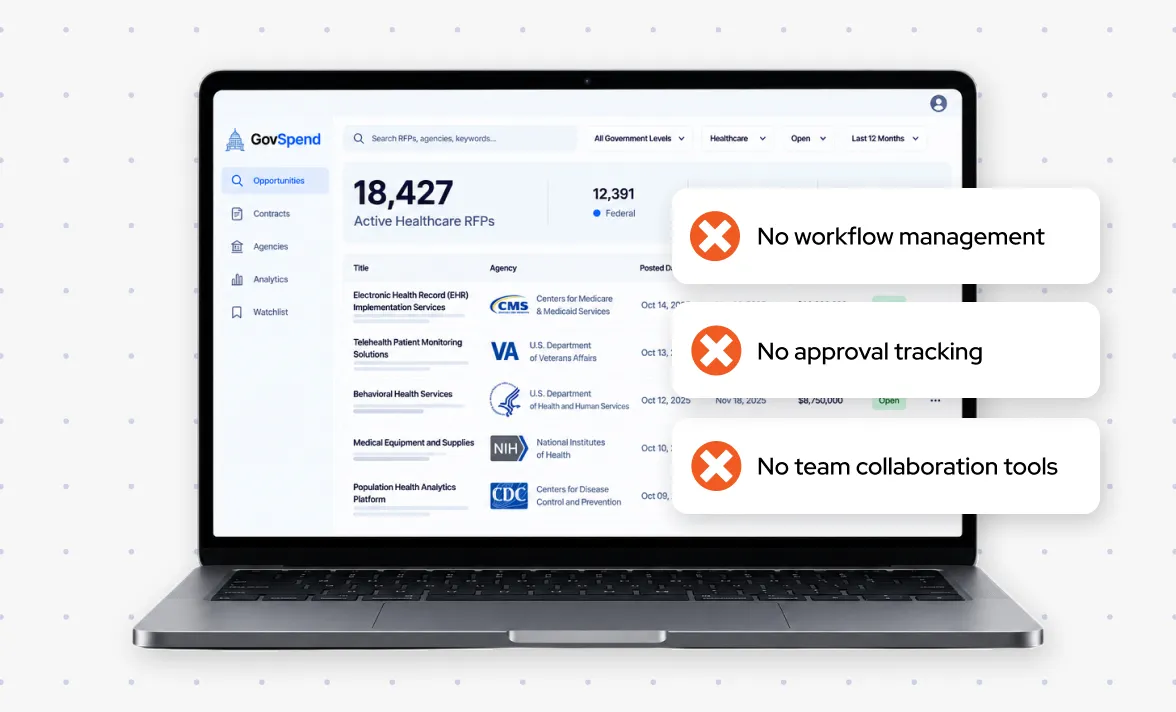
Every RFP ran through one person, the answers lived in scattered files, and the tools GlobalMed tried couldn’t be trusted to stay current.
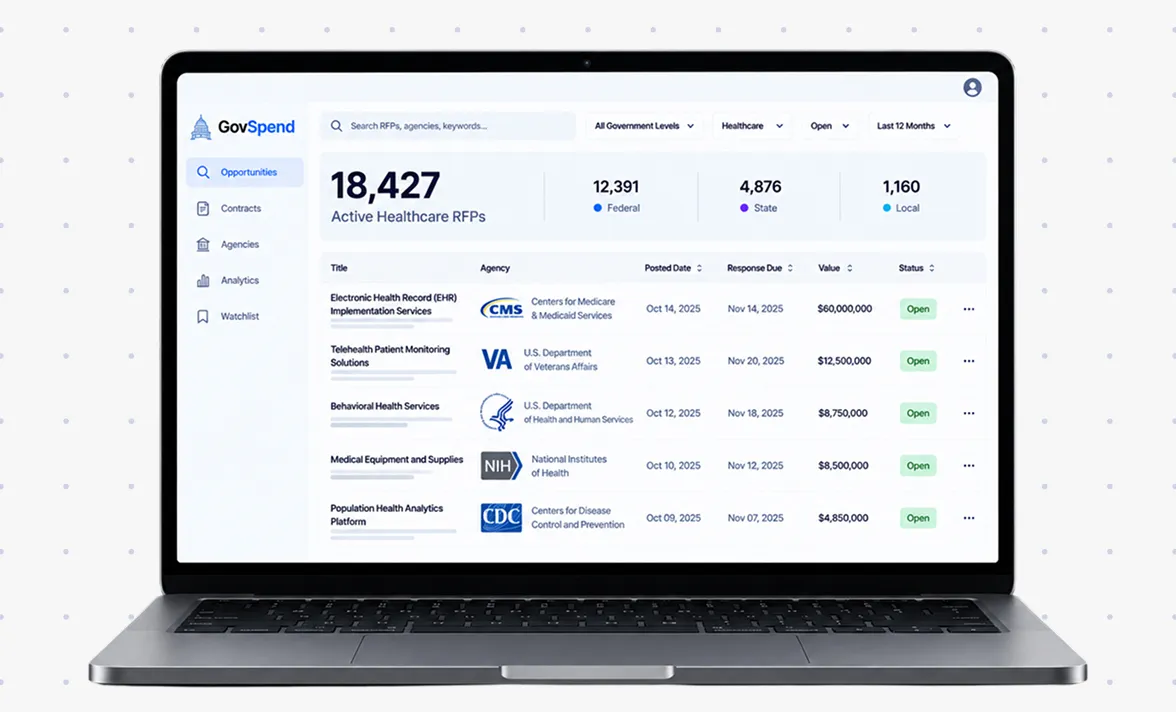
Sales reps pulled strong-fit RFPs from bid sites every day, and every one landed with a single proposal writer. Each contained dozens of pages in no standard format and took 8 to 20 hours to work through, so most never got a response.
Their complex specs sat in SharePoint, spreadsheets, and personal drives. Reps dug or pulled in the product team, and a missed detail, like a scanner swapped for a camera, could mean a lost government contract.
GlobalMed had tried an RFP platform and NotebookLM. General AI drafts well, which is why it sits at the core of this system, but sources went stale, results varied by rep, and every new AI vendor meant another compliance agreement.
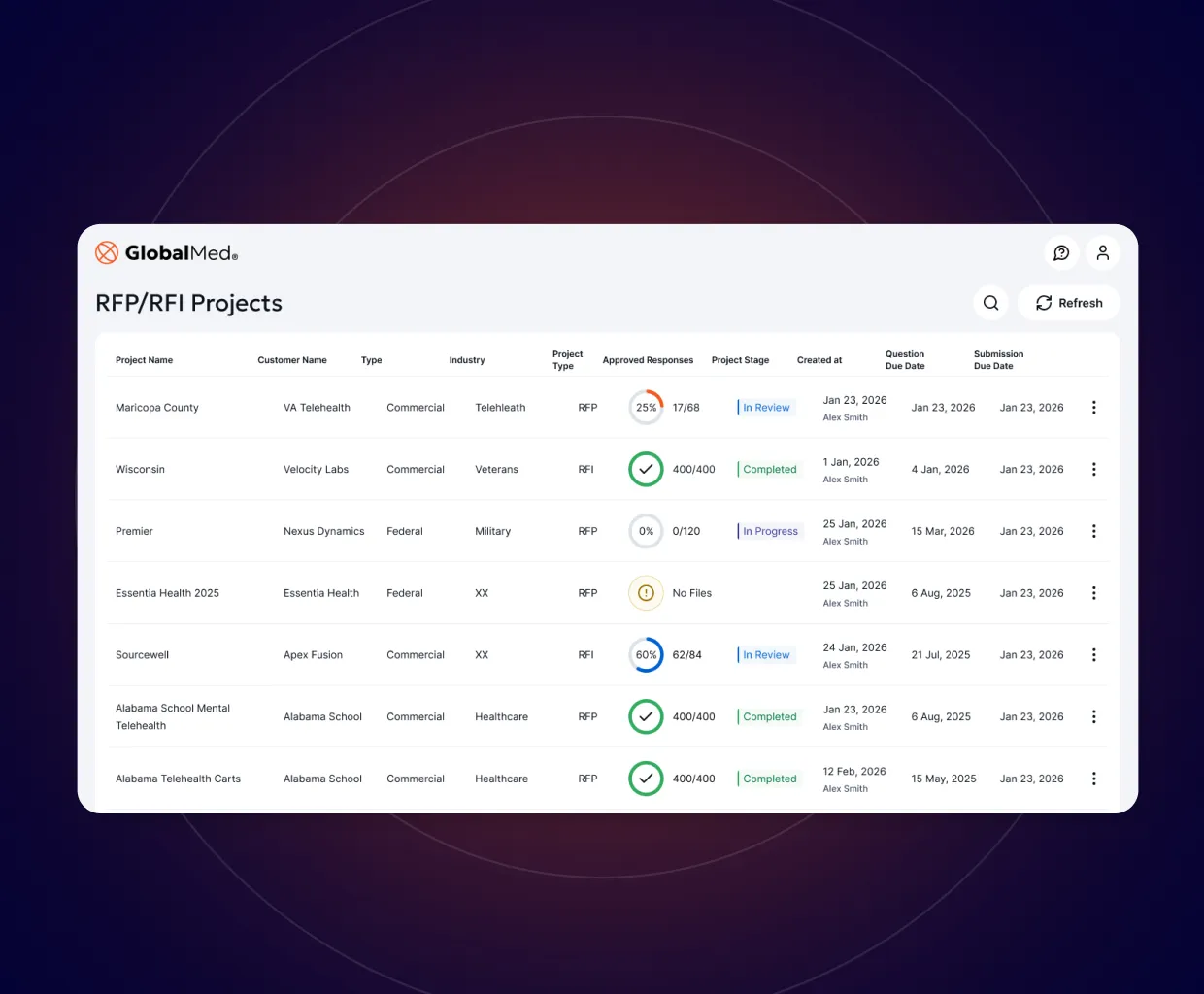
It works from HubSpot and SharePoint, inside GlobalMed’s own AWS account, so reps got speed without changing how they work.
Reps open a deal in HubSpot and attach the RFP, as they always have. The system reads it in the background and returns a summary, a bid strategy, and first-draft answers. Review steps for the proposal writer and sales lead update the deal, so leadership sees where each bid stands.
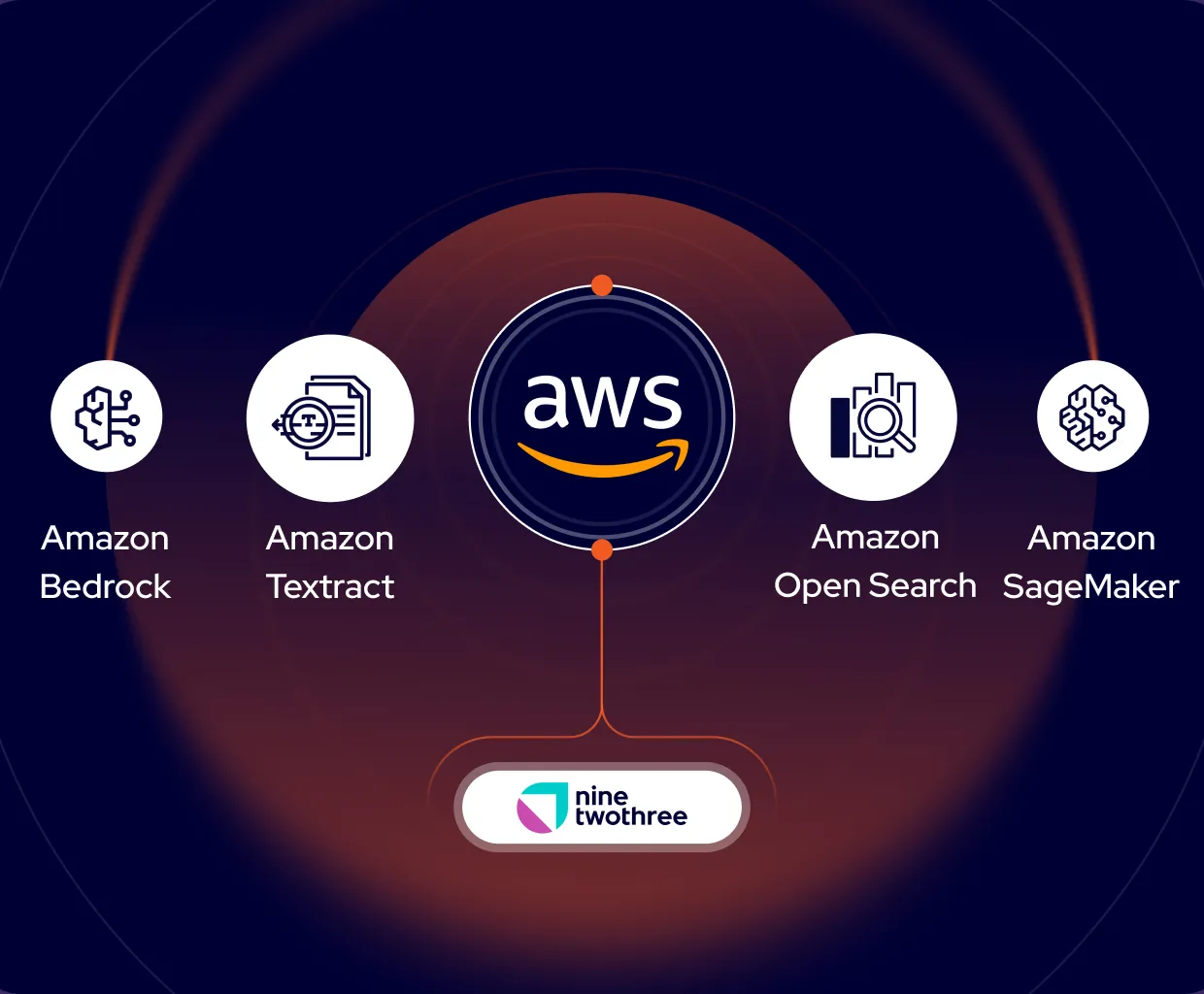
Compliance and security came first, so we took the simplest path: build everything inside GlobalMed’s own AWS account, where its business associate agreement already applied. Bedrock runs the models, Textract reads the PDFs, and OpenSearch holds the knowledge base.
2
Claude models, each matched to the task after testing the alternatives
The knowledge base is the SharePoint library GlobalMed’s team already uses. Add a product file and every draft and chat answer knows about it; remove one and the system forgets it. Fixed facts like the company address come from one approved sheet, never from an old bid.
1
approved sheet for fixed facts, so old bids never override current ones
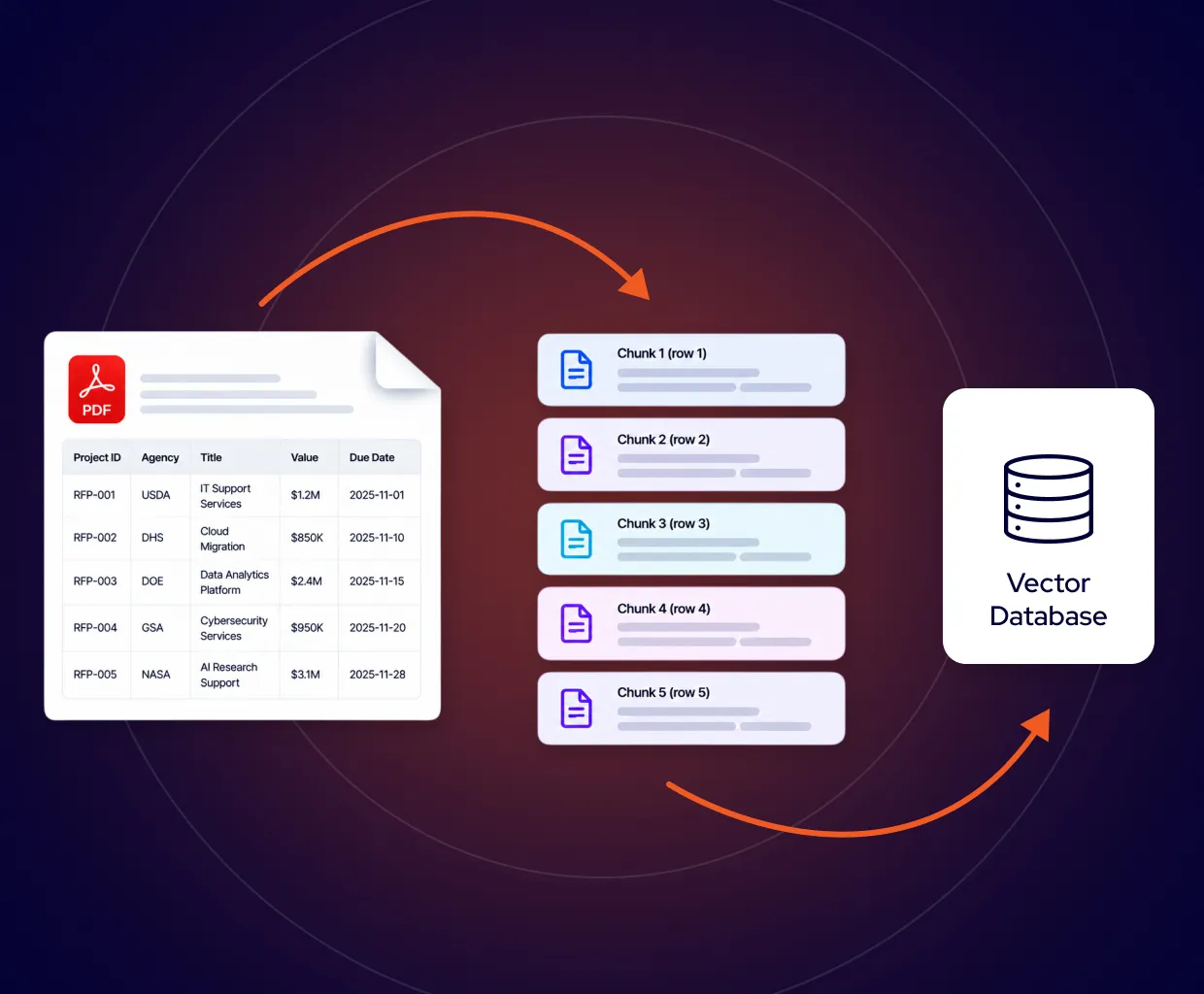
RFPs arrive as PDFs with no standard layout and dense tables. Textract reads each table and stores every row as its own record. When a draft needs one figure, it pulls that row alone, so numbers from the line beside it never slip in.

GlobalMed submitted 10 bids in all of 2025. In its first two months on the system, the sales team submitted 14, more than the entire previous year, without adding headcount.
The sales team ran 61 RFPs and RFIs through the system in June and July. With a summary for each, they can go after the highest-value bids, not just the few one writer could reach.
Product specialists used to get pulled into RFP after RFP. Since rollout, they have spent almost no time on them, because reps get spec answers from the knowledge base and chat.
Everything the system knows lives in GlobalMed’s own SharePoint and AWS account. Its engineers are training to run it in-house, and every capability added next builds on the same foundation.
Build a new platform, or add AI capabilities to existing software, we deliver solutions that work in real operational environments.
Meet with founders Andrew Amann & Pavel Kirillov

Custom AI implementation roadmap
No sales pressure