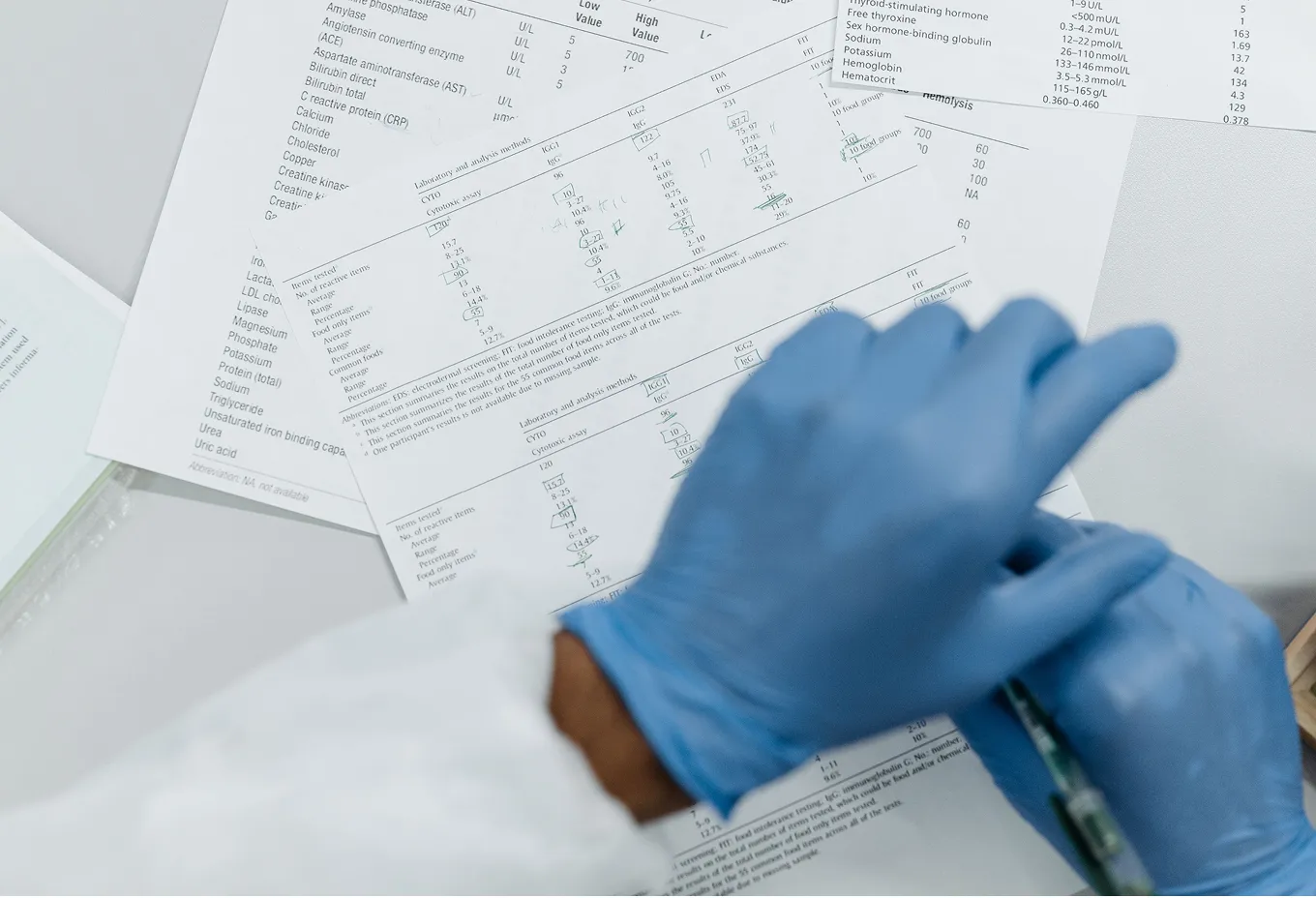
The client is a nonprofit dedicated to public education around clinical trials. Its team turns Clinical Study Reports (CSRs), highly technical documents up to 1,000 pages long, into six-page Plain Language Summaries for medical professionals, patients, and families. Each summary took ~40 hours of largely manual work to reach a first draft. The team knew AI could help but didn't know where to start and had no engineering team, so it partnered with NineTwoThree to build a custom AI-powered workflow.
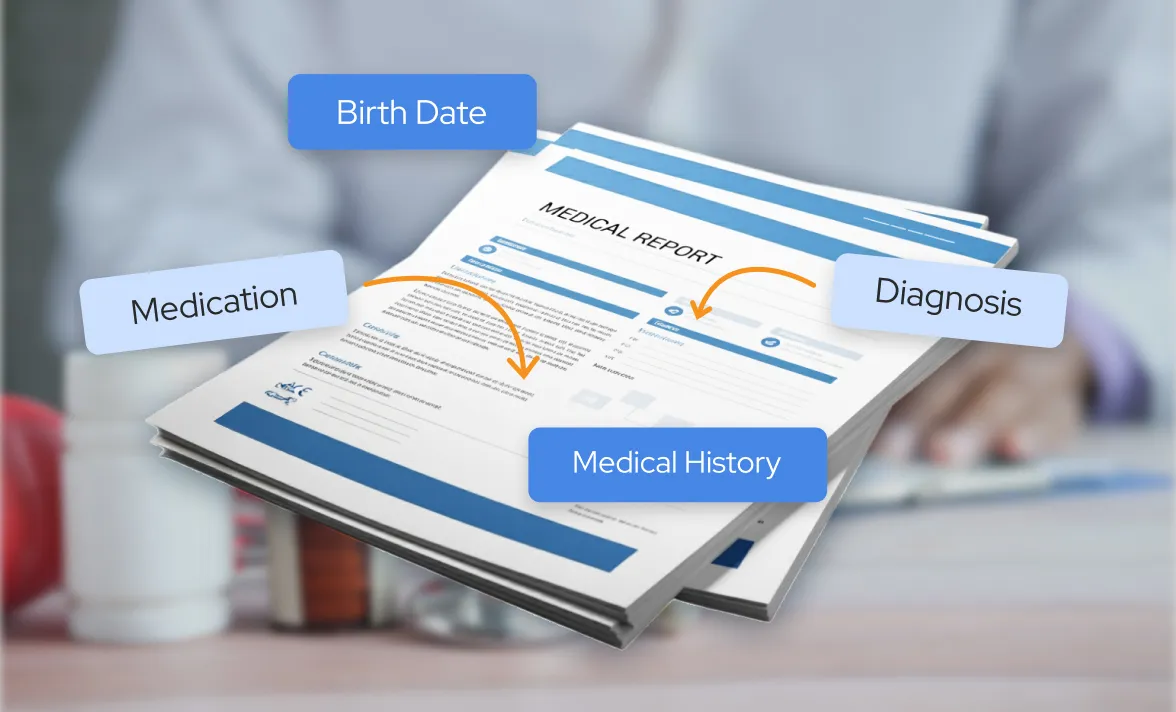
An LLM layer parses CSR documents to extract specific data points from documents with over 1,000 pages.
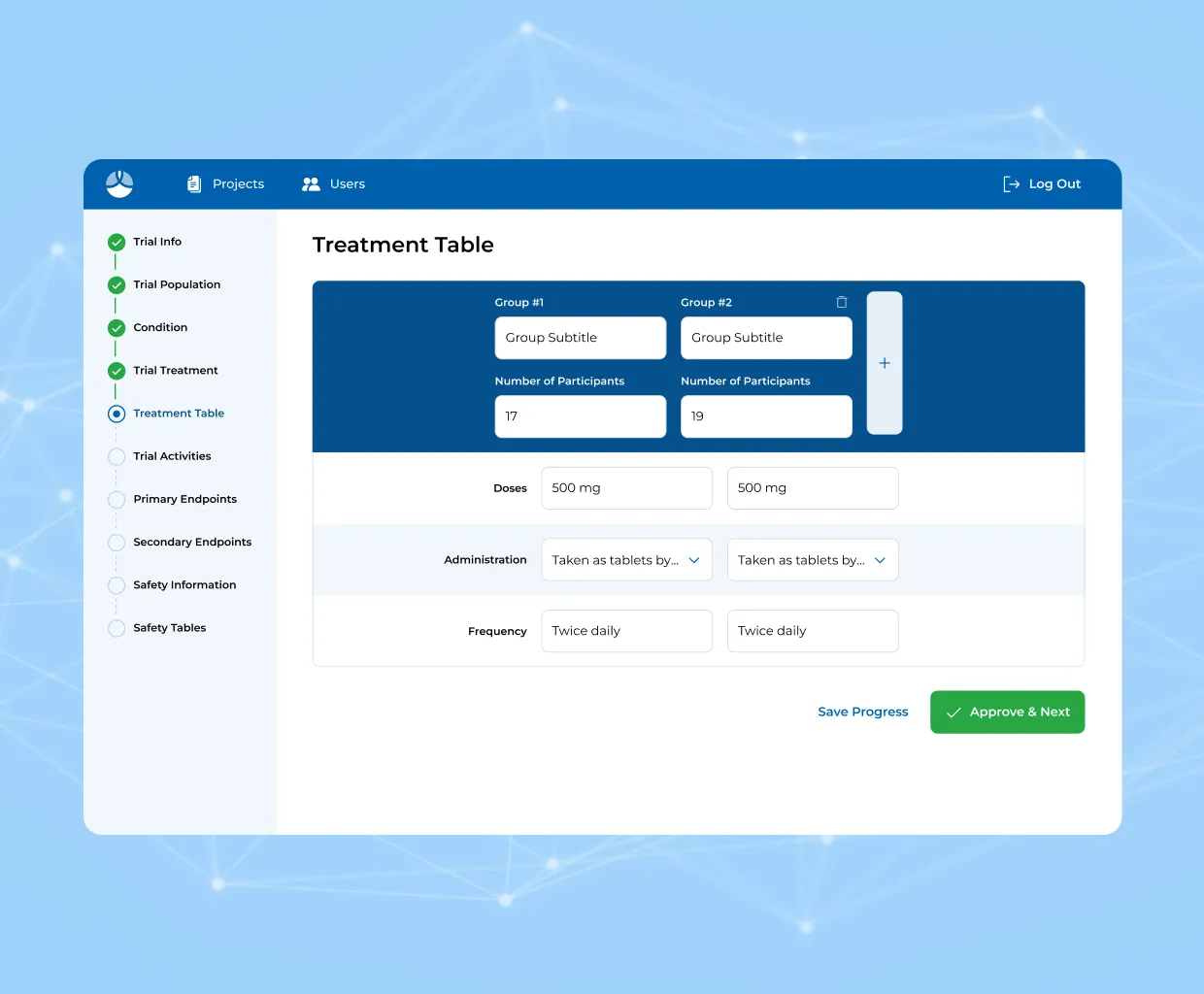
A review interface with 80+ fields where medical writers verify every extracted data point before document generation.
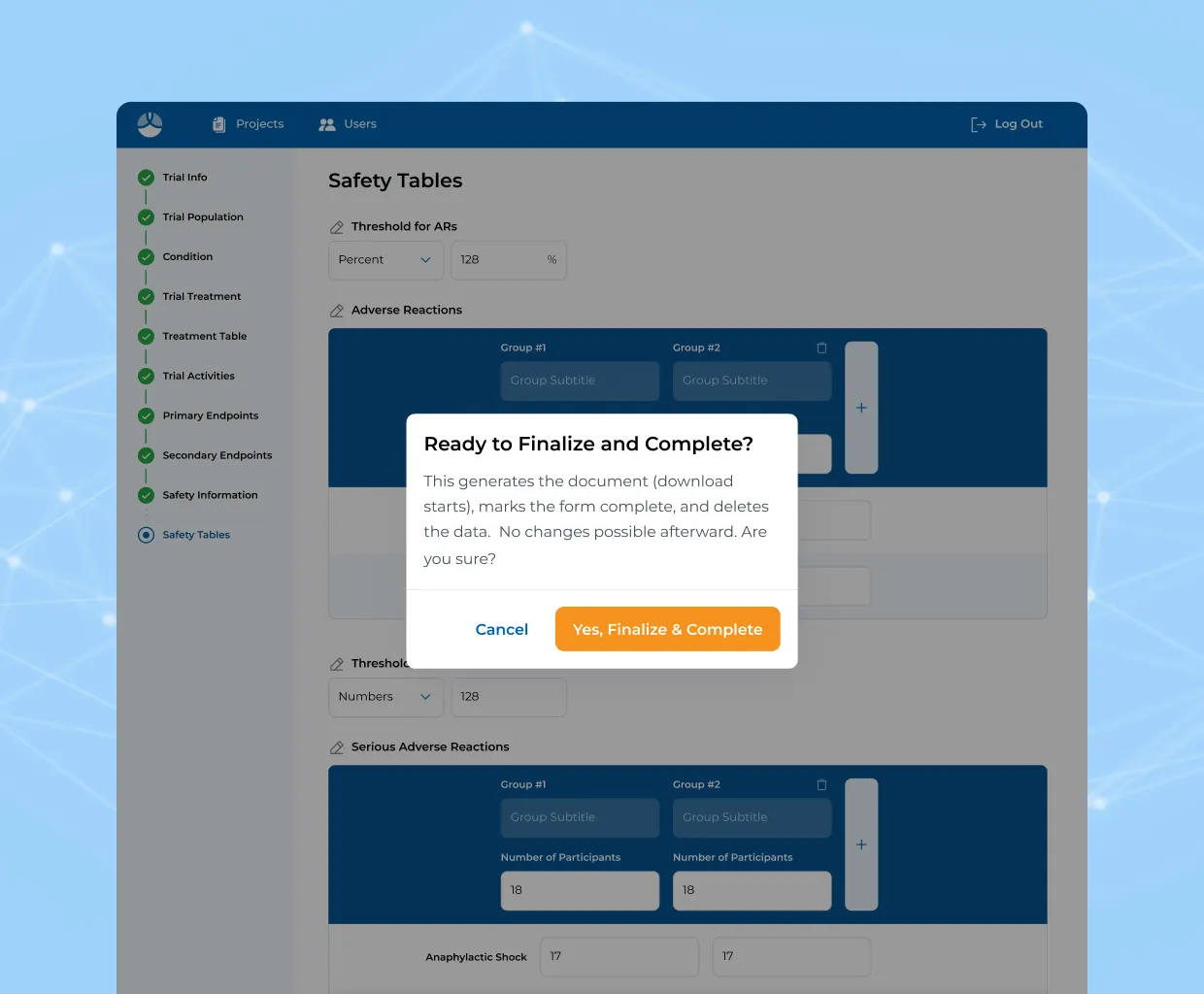
One-click generation of a six-page plain language summary Word document at a fifth-grade reading level.
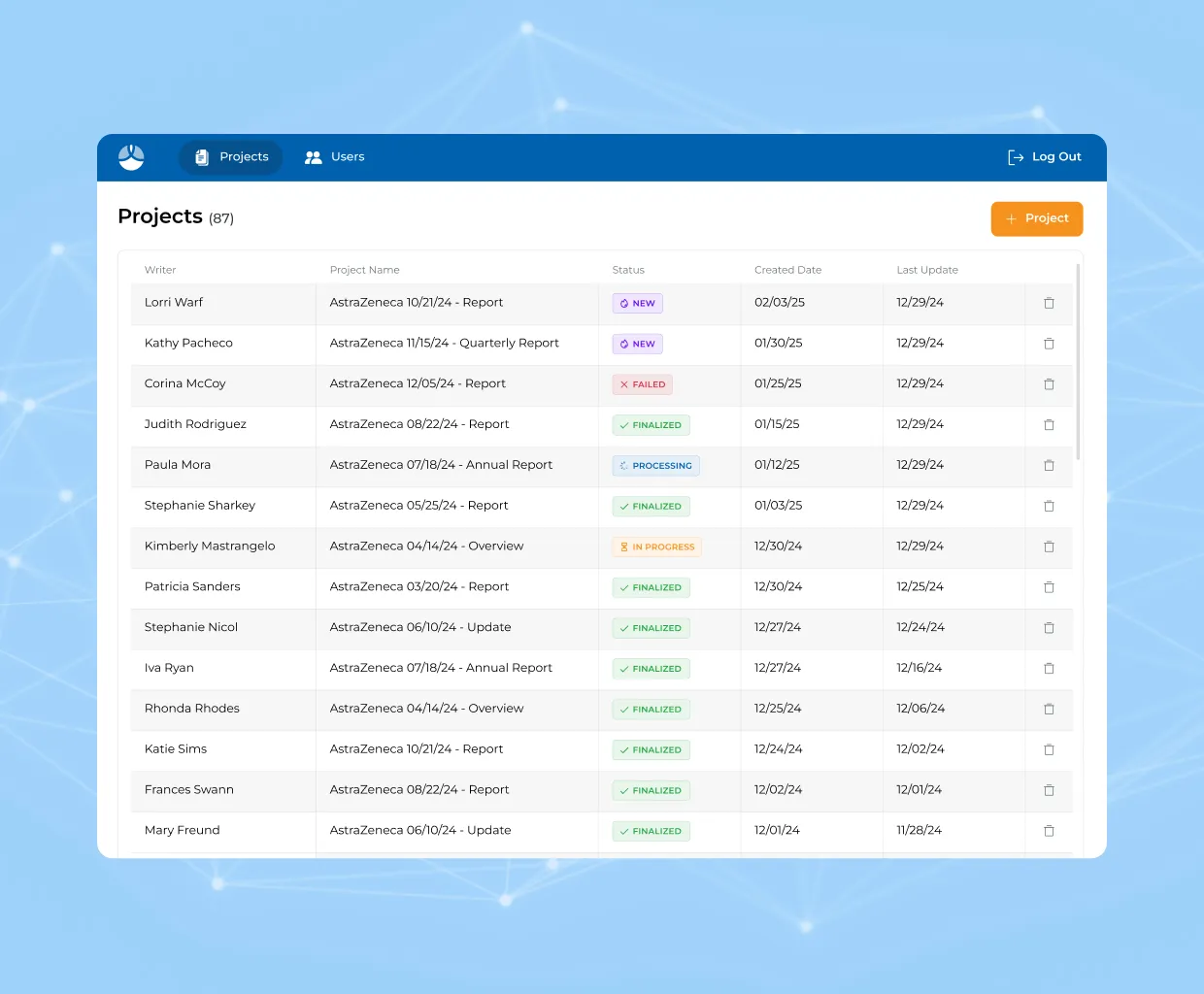
NineTwoThree automated the entire workflow end-to-end exceeding the initial scope the client envisioned.

High-stakes medical data, strict formatting requirements, and no internal engineering team made this a complex build.
Each plain language summary follows a strict and specific template with no room for deviation. Any AI-generated output had to conform exactly to the nonprofit's established format, which meant the system needed deterministic document generation rather than free-form LLM output.
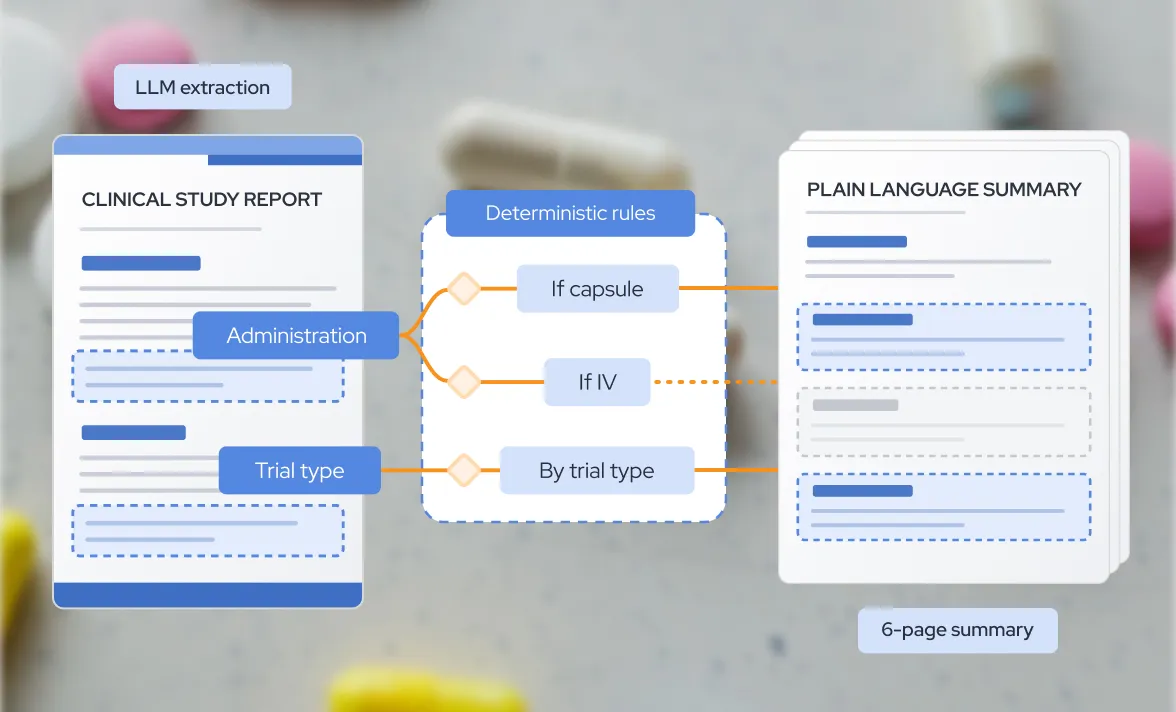
A significant amount of conditional logic governs how the summaries are generated, depending on the type of clinical trial and the data found within. The system had to replicate this logic reliably and deterministically, not probabilistically through an LLM.
Many people depend on these summaries to make informed decisions about their health. Non-deterministic LLM outputs could lead to inaccurate or unreliable results, so the system could not hand the entire process to an AI model without human verification.

Our team built the solution in 12 weeks, using AI for specific repetitive tasks and deterministic logic for reliable output.
An LLM layer parses CSR documents for extraction rather than summarization. It identifies specific data points, such as treatment type, and divides lengthy documents into manageable chunks for analysis without relying on the model for the full workflow.
1,000
pages parsed per CSR document
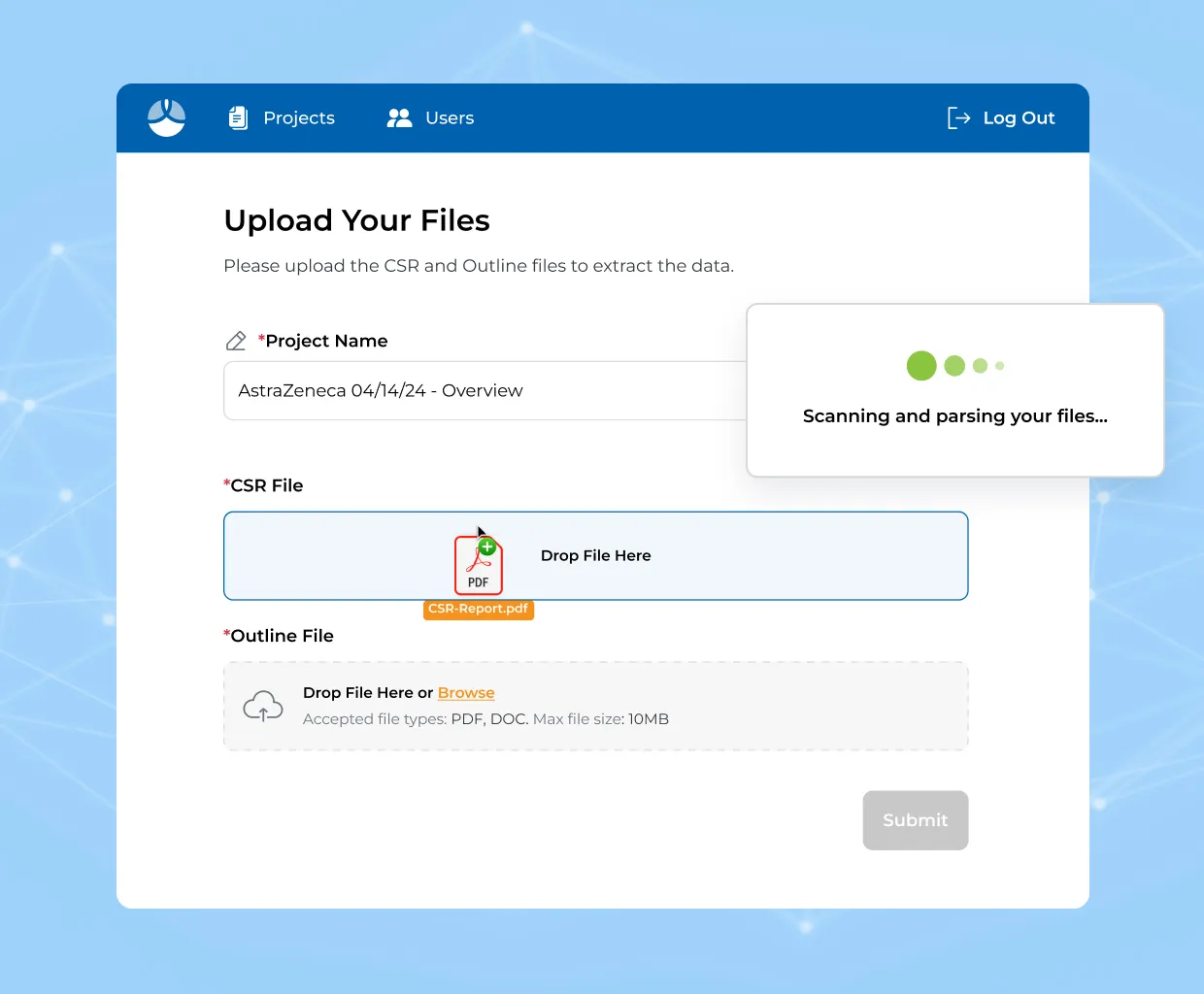
A review interface lets medical writers verify every extracted data point before document generation, combining AI speed with human accuracy.
80+
fields available for human review
After verification, one click generates a six-page plain language summary Word document at a fifth-grade reading level using deterministic logic for reliable, repeatable output.
NineTwoThree identified the opportunity to go beyond data review and proposed building the full software solution that automates the entire workflow end-to-end, not just the extraction step.
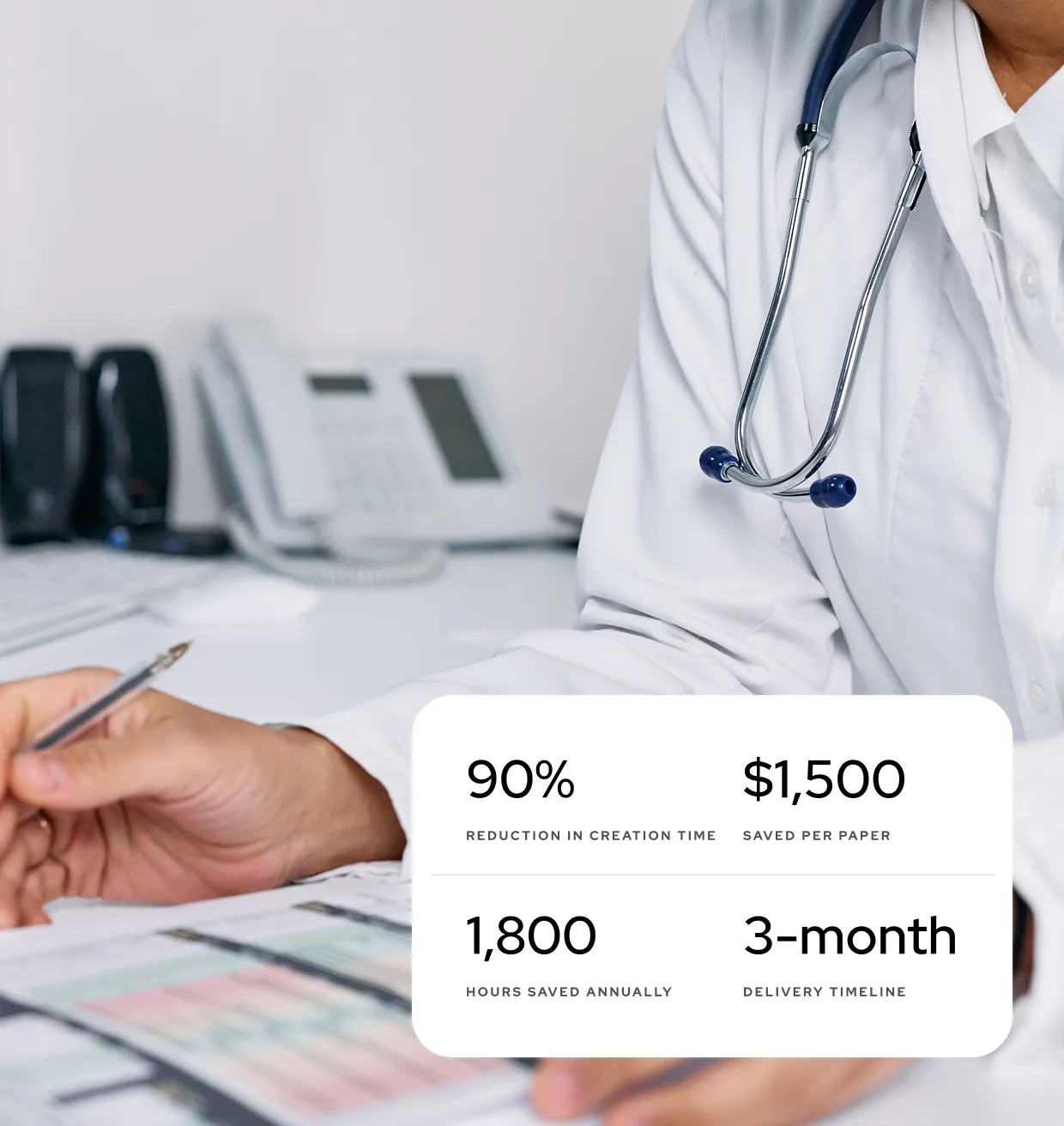
Document creation time dropped from approximately 40 hours per document to just 3 to 4 hours, freeing the medical writing team to focus on higher-value work.
Based on an average Medical Writer salary, the 90% time reduction translates to $1,500 in savings per summary produced.
The system saves at least 1,800 hours per year for the client, making the project ROI-positive in under a year from deployment.
The flexible web app and framework can expand to other use cases in the clinical research industry, extending the value beyond the initial implementation.
Build a new platform, or add AI capabilities to existing software, we deliver solutions that work in real operational environments.
Meet with founders Andrew Amann & Pavel Kirillov

Custom AI implementation roadmap
No sales pressure