.webp)
Prisonology is a U.S. sentencing consultancy founded in 2014 that draws on former Federal Bureau of Prisons staff. It helps law firms and defendants interpret BOP rules and build strategies that may reduce sentences or security levels. The manual research process consumed billable hours and limited the cases its team could handle. Prisonology wanted to automate part of its Security Designation Scorecard, so it brought in an outside AI product team to test secure scoring against 20 years of private case data.
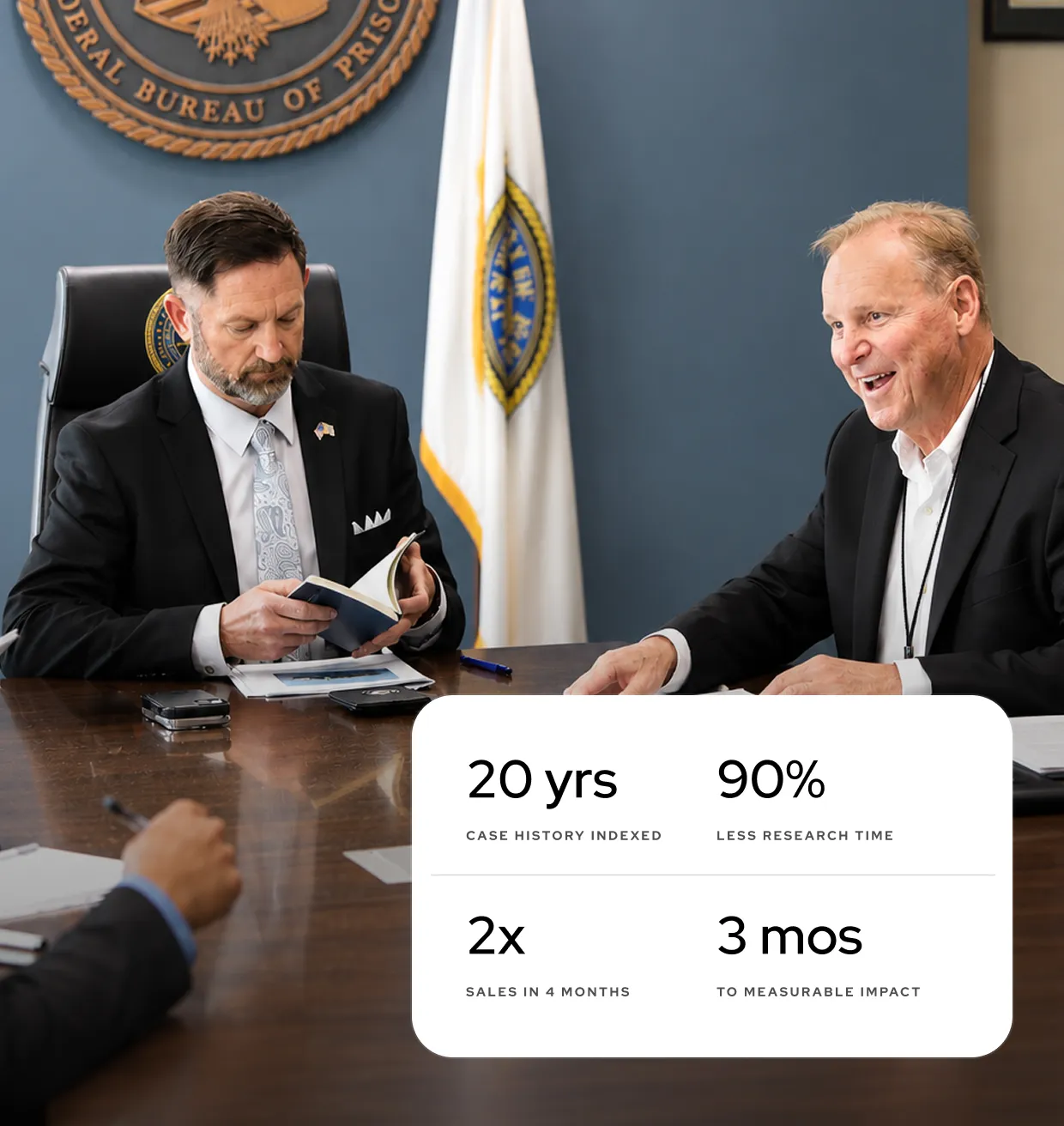
Built an app that scores the Severity of Offense metric directly from uploaded Presentence Reports.
Connected the AI to Prisonology's private case history without exposing sensitive data to a public LLM.
Split analysis into two steps: one module reads court PDFs, the other reasons out a score from context.
Compiled findings into a new PDF with drug type, quantity, and firearm involvement details.

Off-the-shelf AI tools were not built to handle the length and nuance of legal casework, and that gap gets harder to ignore the more complex the case gets.
Presentence reports and court records are lengthy documents. Conventional AI models, including ChatGPT, showed clear limits in processing this volume of material. This challenge becomes particularly acute in complex legal case analysis, where a single missed detail can change a defendant's sentencing outcome.
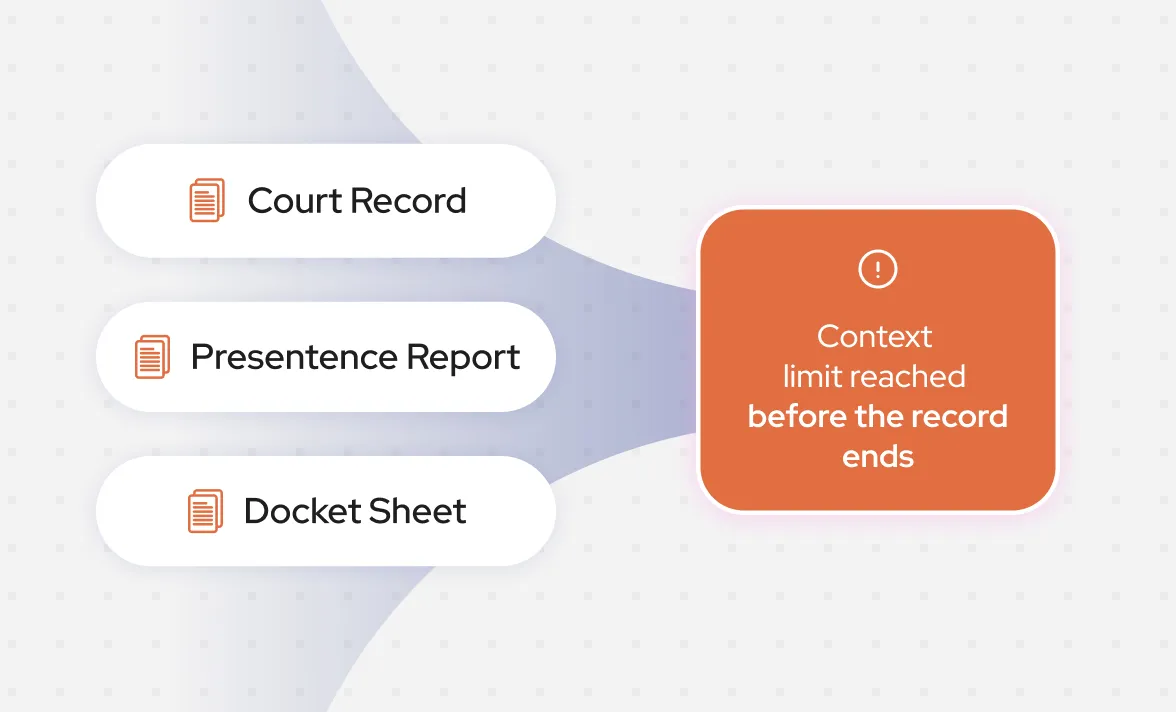
Even the most advanced AI models struggle to mimic the sophisticated human reasoning that legal scenarios require. The complexity of legal cases, where a defendant's fate can hinge on a single point in a scoring model, makes it difficult to trust a generic AI output without expert review.
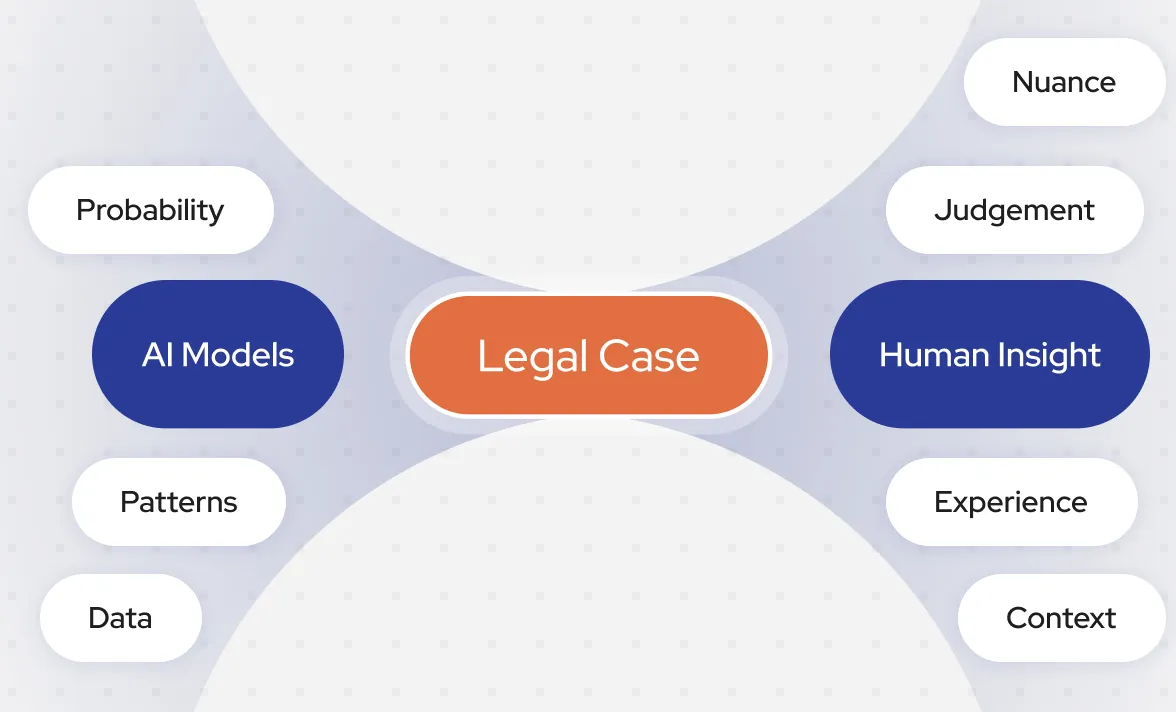
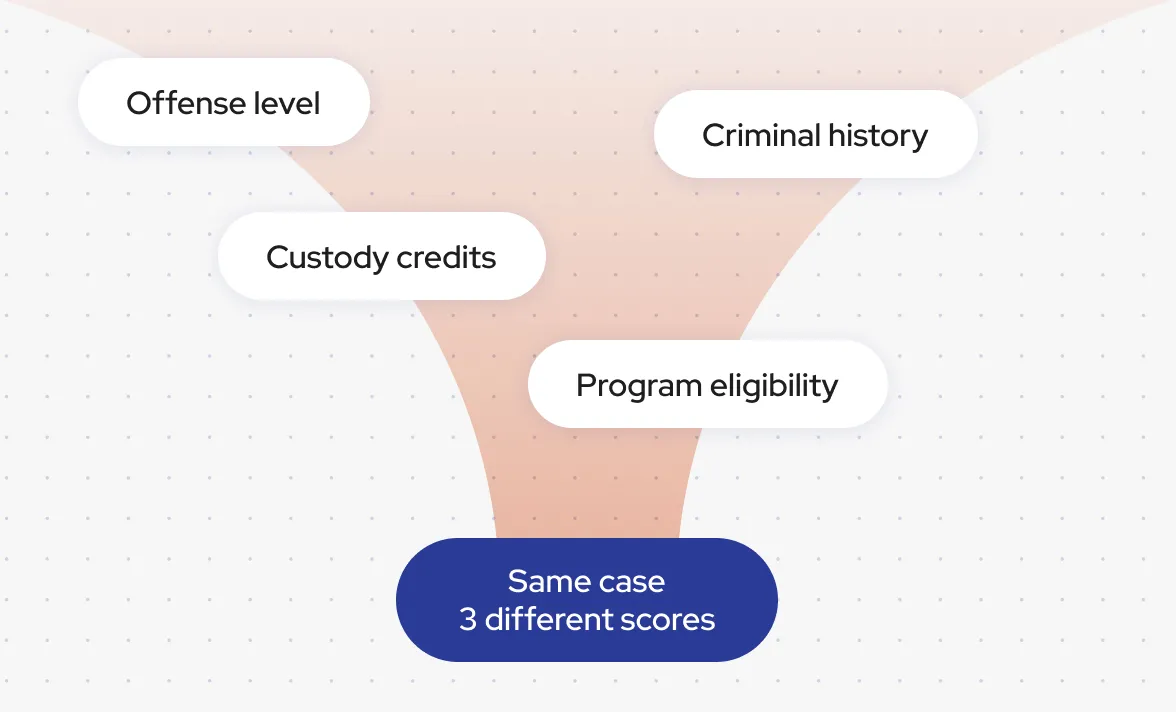
The complexity and diversity of legal cases, combined with the number of factors that influence a judge's decision, made it difficult for a general-purpose AI system to produce a consistent, defensible score across different types of defendants and offenses.
NineTwoThree investigated free and paid data sources to confirm whether historical court sentencing records could be accessed, stored, and searched cost-effectively, then built an application around a Retrieval-Augmented Generation system paired with two scoring modules.
NineTwoThree used Retrieval-Augmented Generation to pull from a private knowledge base of 20 years of successful legal motions, stored behind a firewall. Prisonology's cases powered the AI without exposing private information to a public model.

A reading module works through court PDFs using branching questions. A separate reasoning module scores based on the context gathered, trained on hundreds of human-rated reference responses that Prisonology provided.
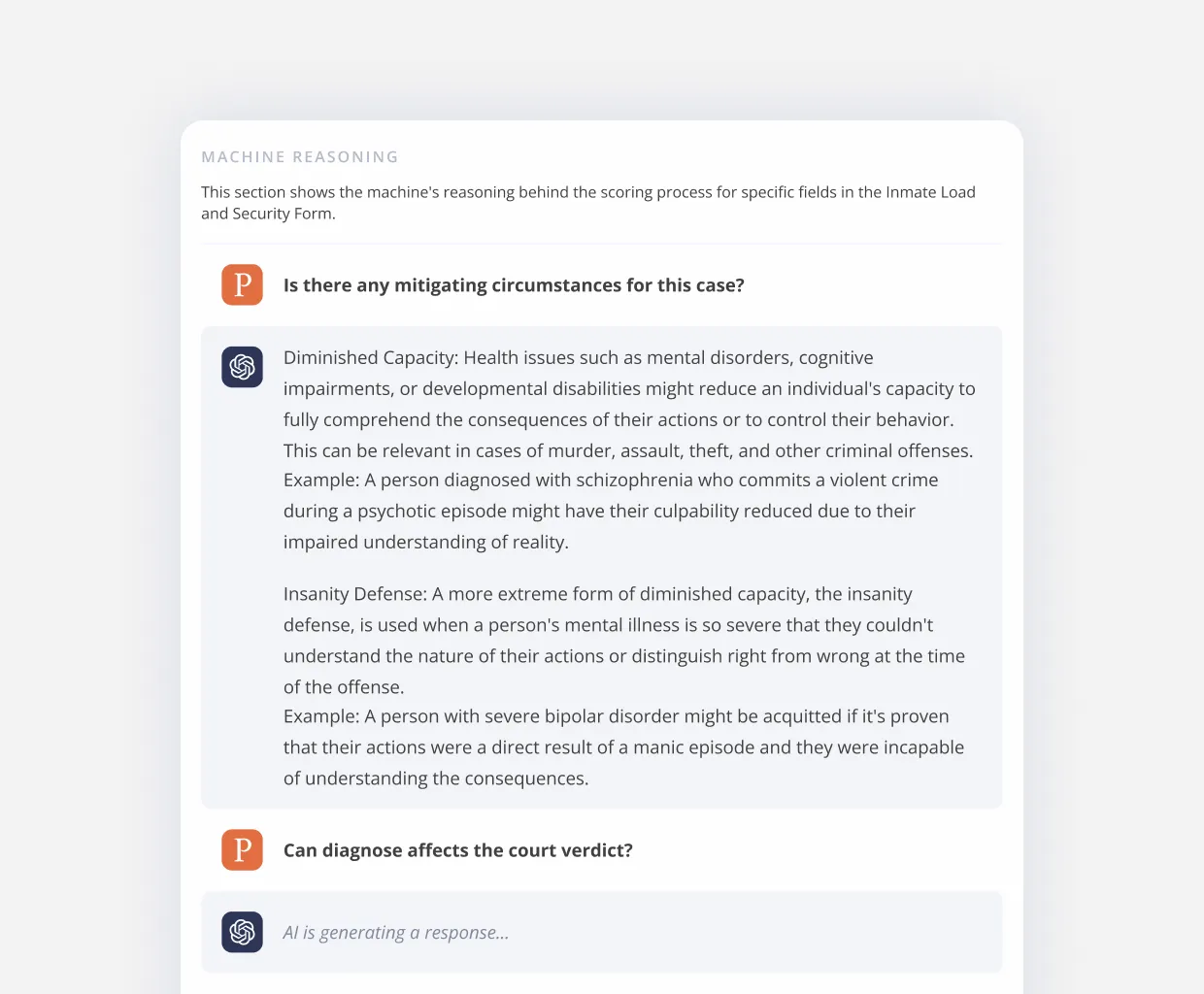
The system generates a score and keeps the LLM's responses visible for review, allowing the Prisonology team to adjust scores if necessary. It also surfaces critical details from the document, such as drug type, quantity, and any firearm involvement.
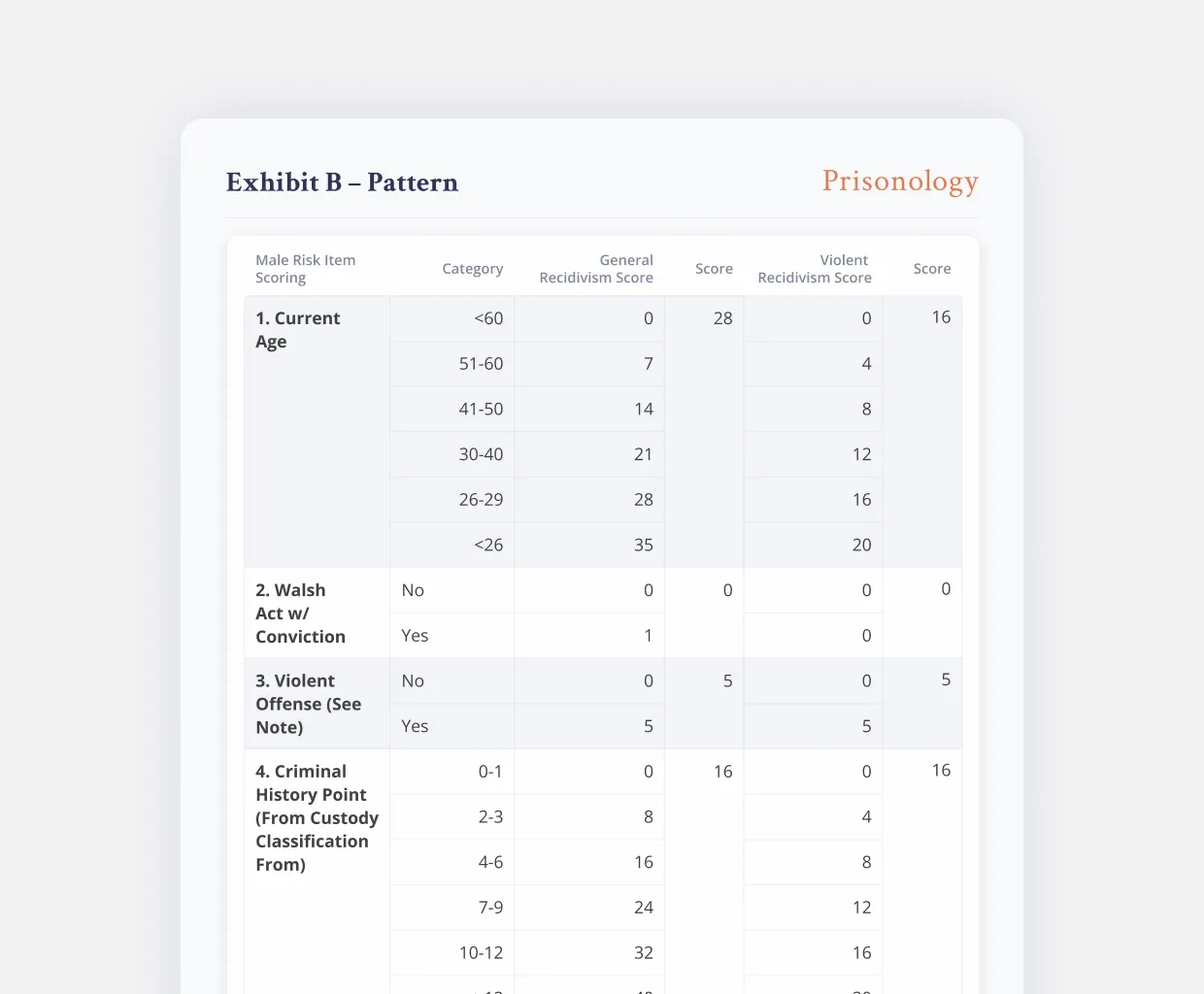
The system compiles its findings into a new PDF, giving lawyers a succinct, focused overview of the essential details of a defendant's case.
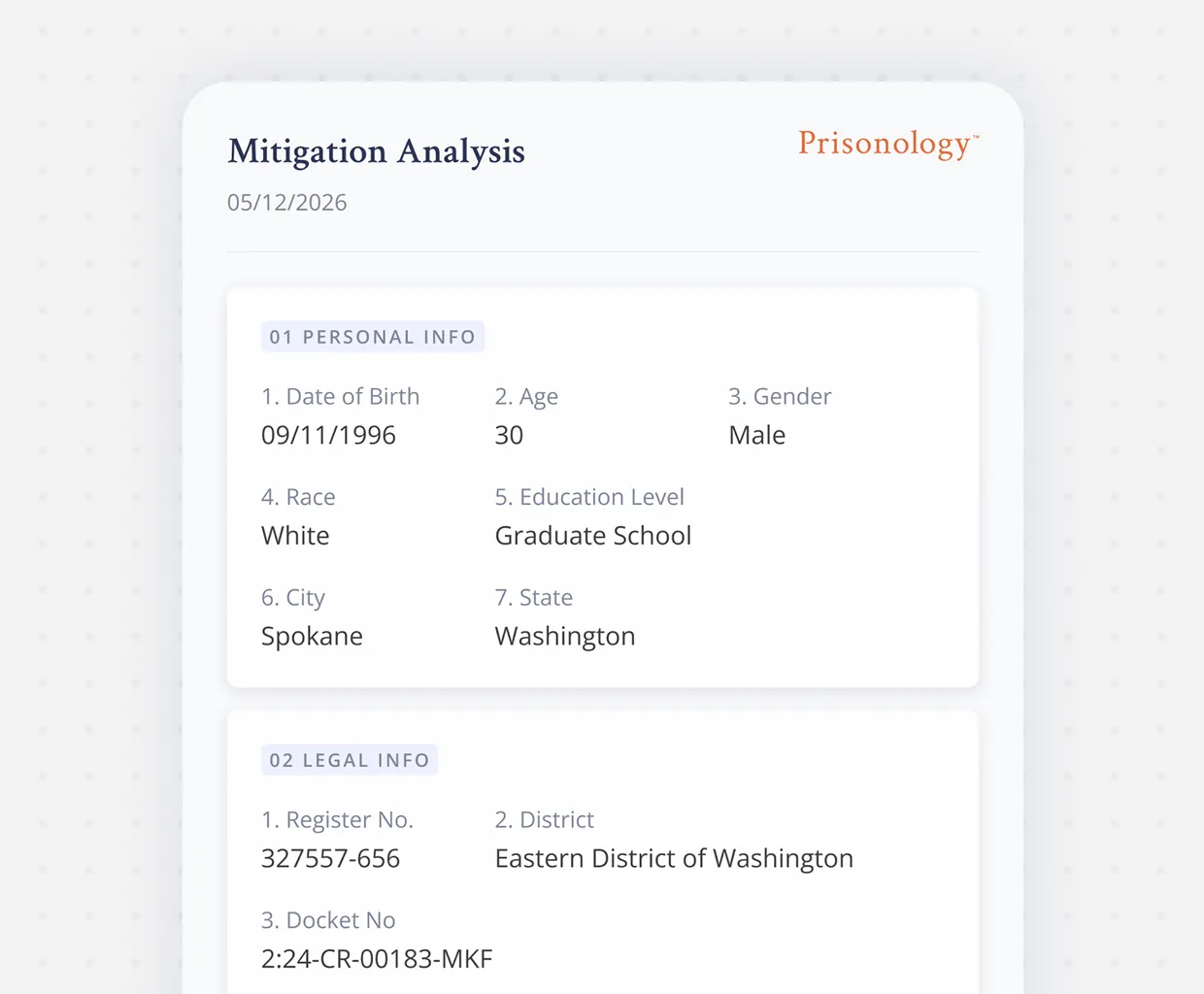

By automating part of the scoring process, the application cut the time lawyers spent building each case by 90%. Tasks that previously required hours of manual document review were handled by the AI in minutes, freeing billable hours for client strategy and trial preparation.
With the AI handling document analysis, Prisonology doubled its sales in four months by serving more clients with the same team. The application removed the bottleneck in case preparation, and attorneys reviewed cases faster without compromising quality.
The application successfully demonstrated it could assess at least one crucial metric, the Severity of Offense score, directly from uploaded Presentence Reports, pointing toward a viable path for automating more of the Security Designation Scorecard.
Prisonology's database of 20 years of successful legal motions was indexed and made searchable through the RAG system, giving the AI access to a depth of precedent that would be impossible for a single lawyer to review manually in the time available.
.svg)

NineTwoThree's work has helped the client analyze PDF documents for classification scores, enabling attorneys to understand their clients' potential prison issues. The team has managed the project well, ensuring effective progress tracking. Overall, their enthusiasm and understanding stand out.

Build a new platform, or add AI capabilities to existing software, we deliver solutions that work in real operational environments.
Meet with founders Andrew Amann & Pavel Kirillov

Custom AI implementation roadmap
No sales pressure