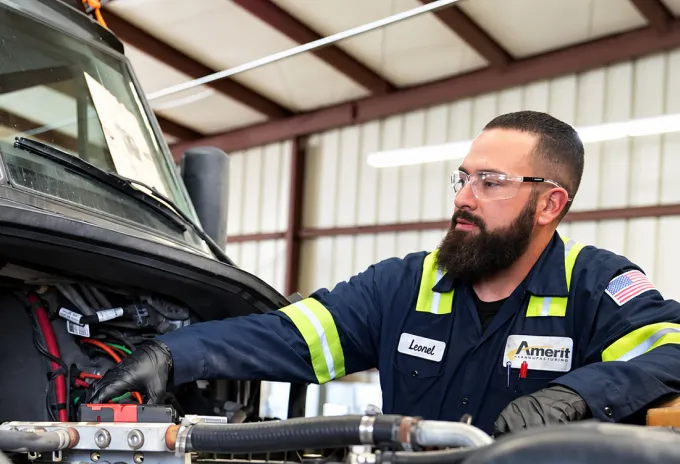
Amerit Fleet is one of the country's largest trucking fleet repair services. Every day, their mechanics complete a few thousand maintenance jobs on delivery trucks for retailers and companies across the U.S., working across 15,000 separate repair codes. A team of a few dozen quality control people manually reviews each work order to catch incorrect billings, wrong part numbers, false readings, and forgotten repairs. The company needed an automated system to flag errors before they became billing problems, and they needed outside AI expertise to build it.
Built a machine learning model to predict errors in repair orders and flag high-risk records for review.
Added a reasoning system that gives mechanics human-readable explanations for each flagged error.
Automatically identified and prioritized the most error-prone records for the quality team.
Built ETL with daily snapshots to create labeled training data from 300,000+ mechanic comments.
A high volume of repair orders with inconsistent data made manual error checking slow and unreliable, and the first AI model could flag problems but could not explain them.
Modern ETL processes did not exist. All data sat in a single SQL database with no version history. Records were overwritten on update, making it impossible to track changes or build a reliable training dataset from historical repair orders.
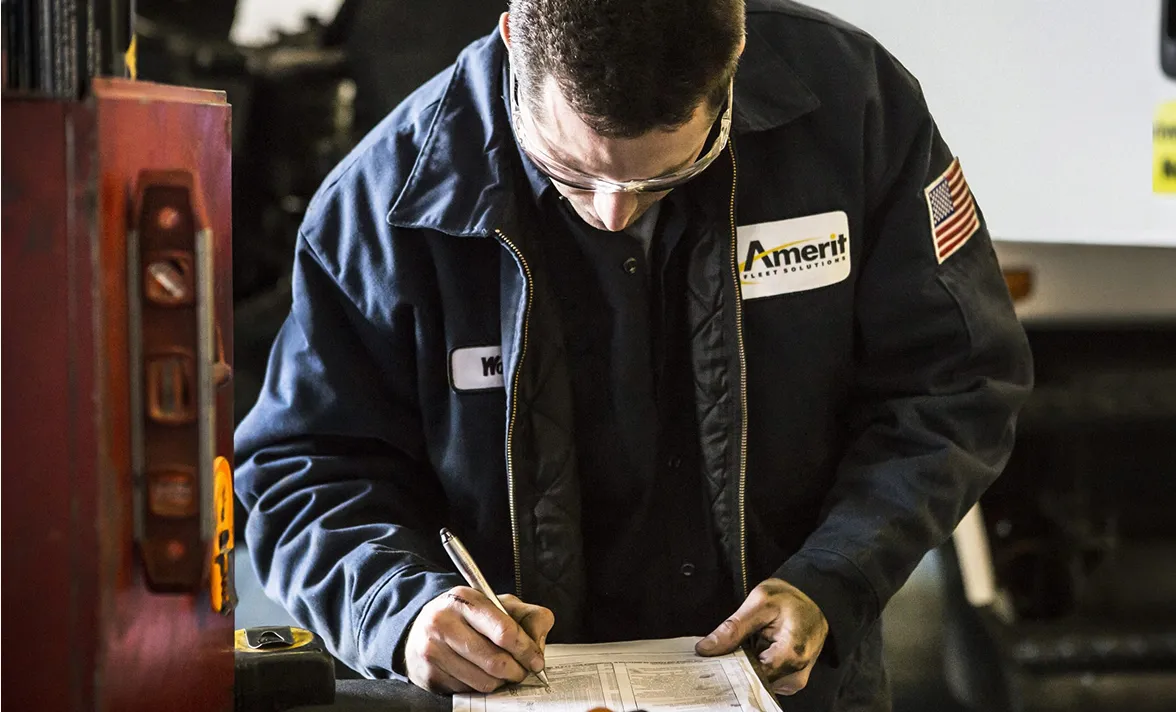
Mechanics sometimes forgot to add comments or logged abnormal hours. Others included incorrect parts to simplify billing. Imagine seeing an oil change billed, but the parts list including brake pads and wiper fluid. Each incorrect entry adds unnecessary labor and parts costs for Amerit.
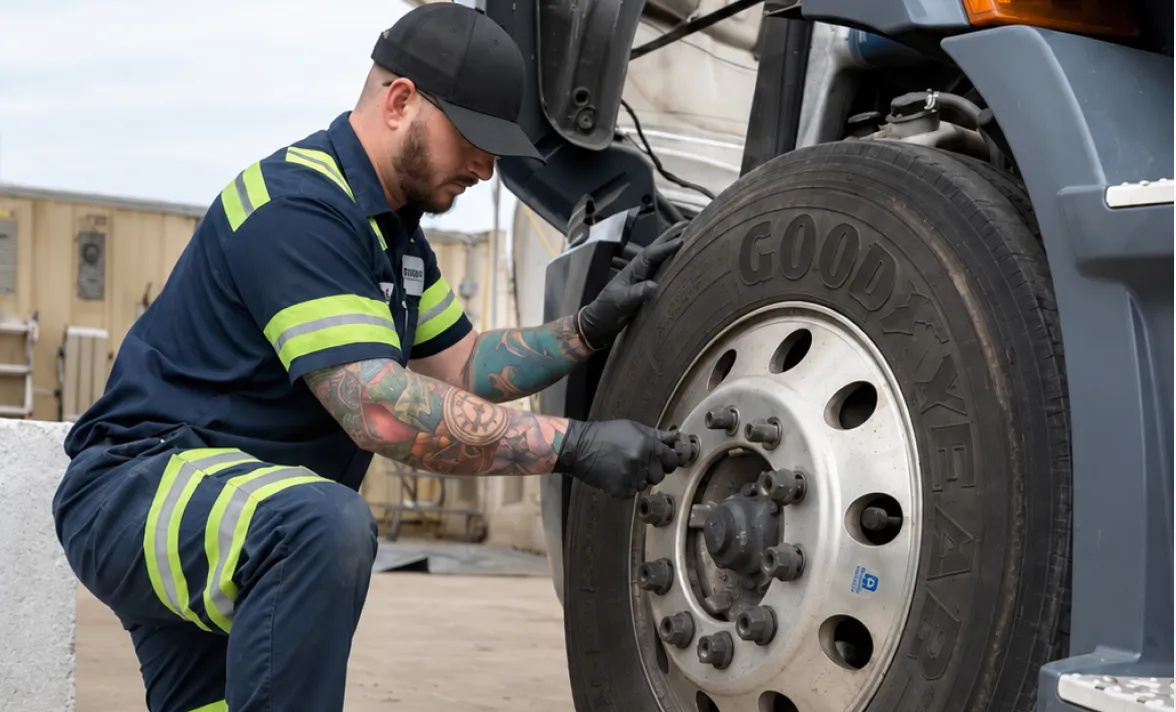
Without model-driven insights, the quality team could only prioritize work orders by time since repair. They had no way to weigh repair value, mistake cost, or error likelihood, so high-impact issues sat in the same queue as low-risk ones.
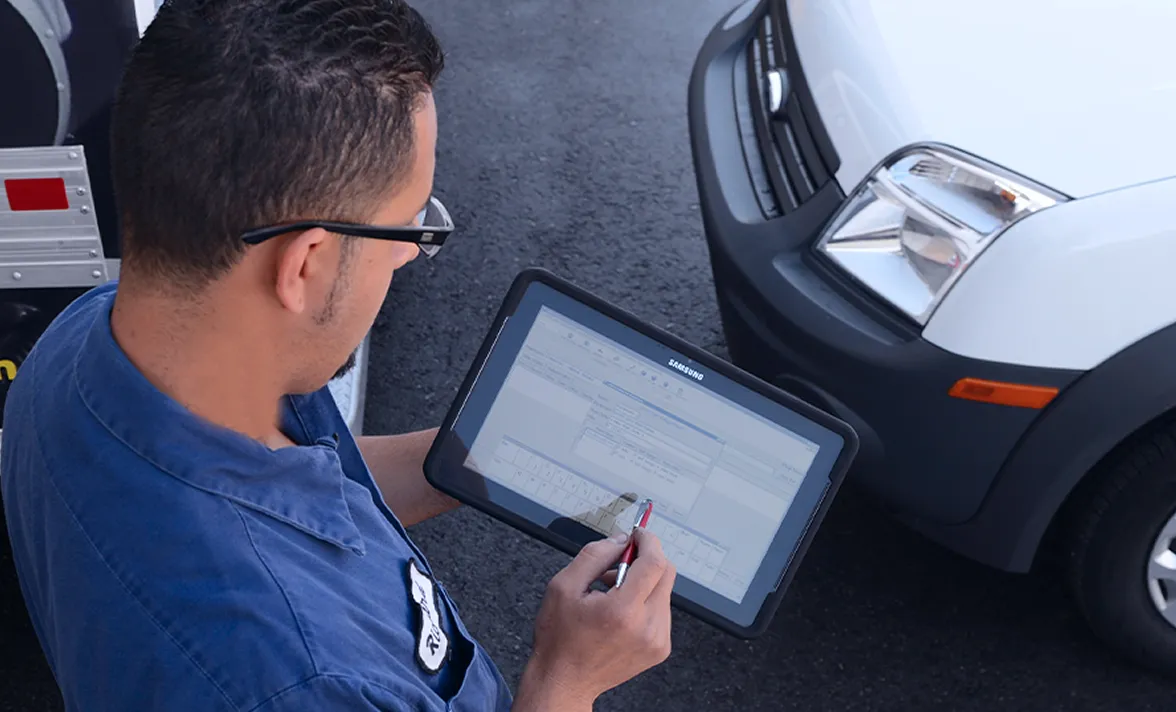
NineTwoThree approached the problem in two phases: first predicting which repair orders had errors, then explaining why those errors occurred so mechanics could fix them fast.
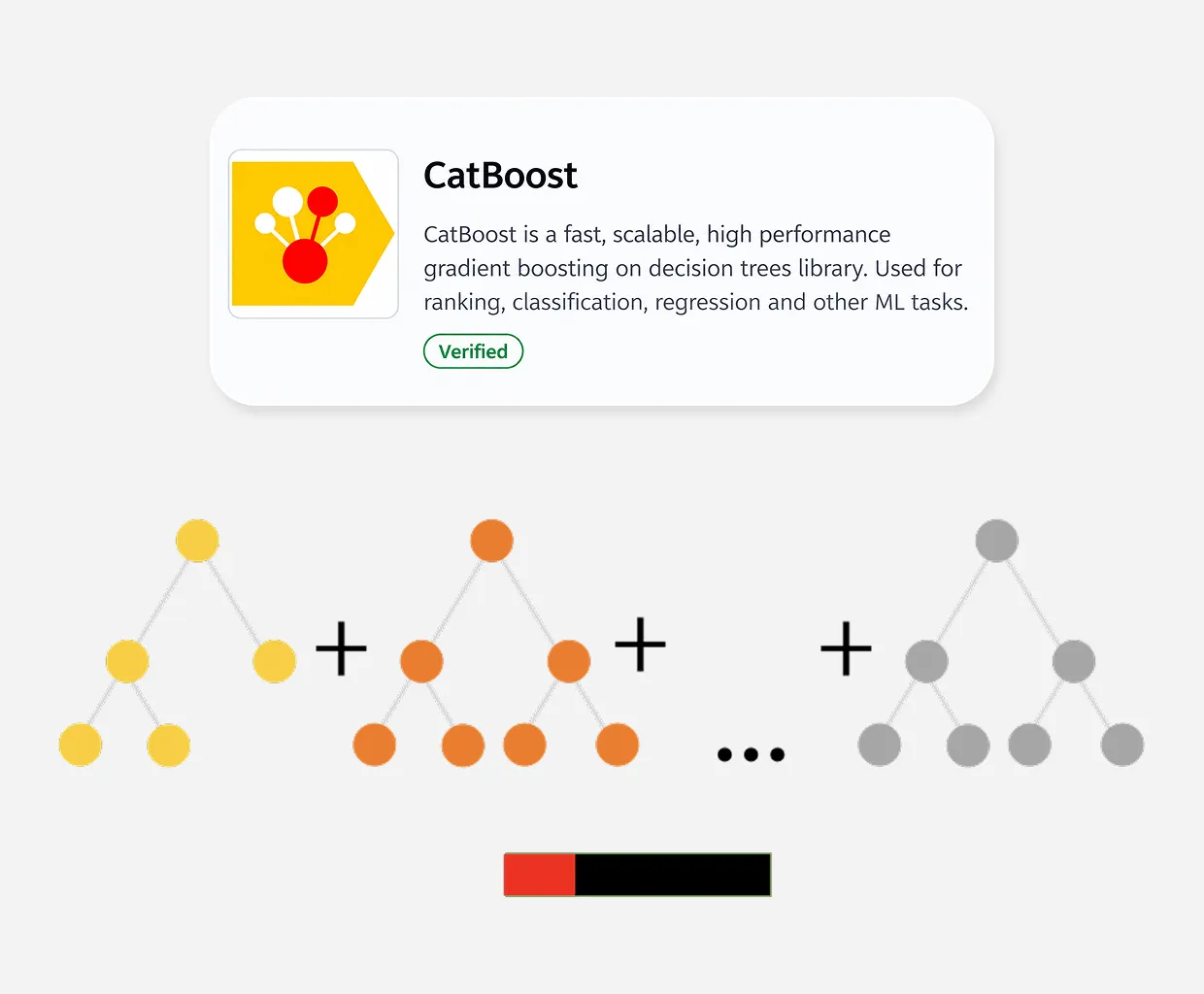
A POC on 300,000+ mechanic comments validated the approach without infrastructure spend. NineTwoThree then built a data pipeline with daily snapshots and QC-labeled training data, using gradient boosting (CatBoost) instead of generative AI.
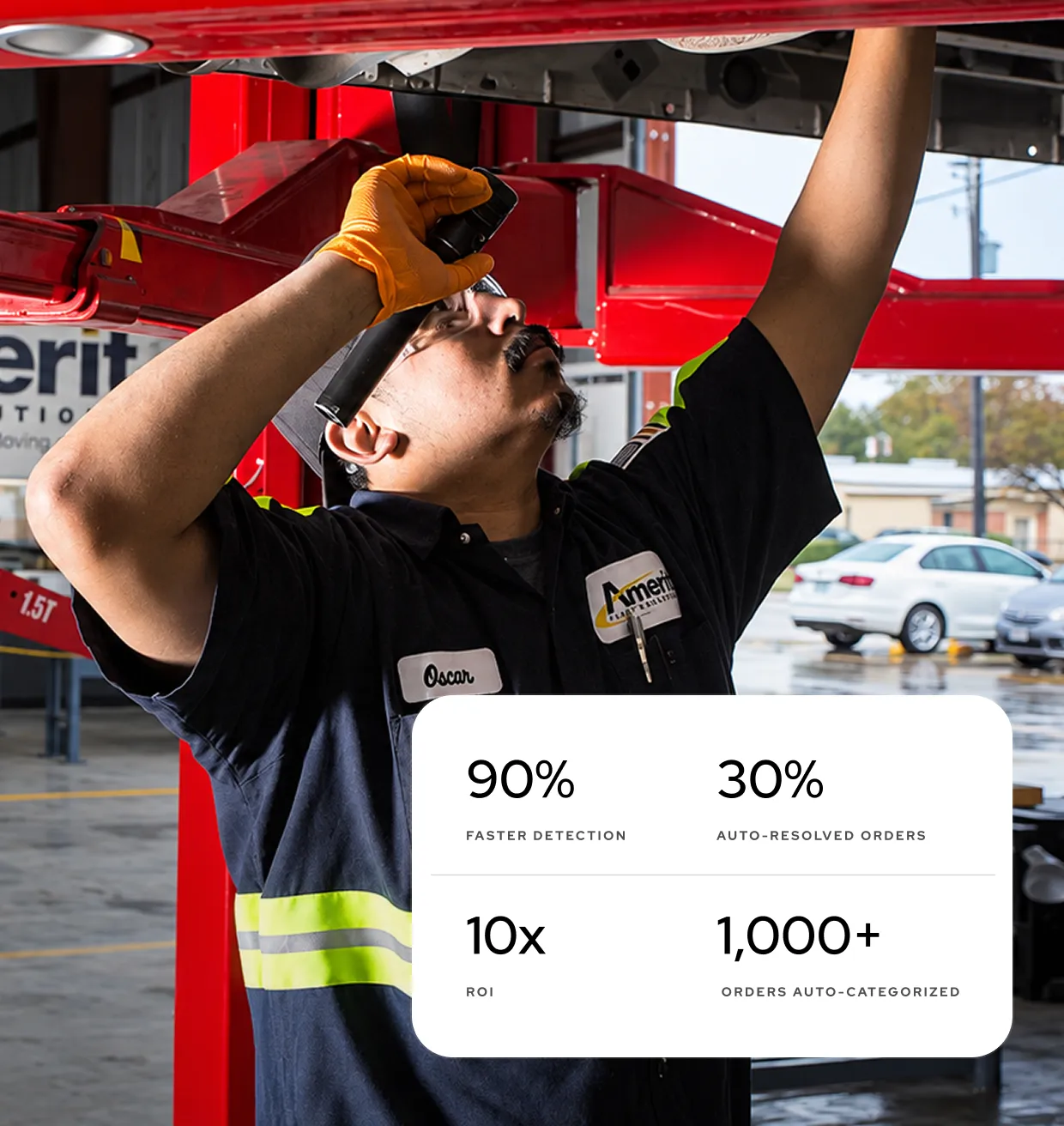
90%
reduction in average error detection time
The model predicts zero errors vs any errors, reaching 66% and 72% accuracy respectively. We added a real-time reasoning system that generates human-readable explanations for each flagged error. Mechanics can now see why a record was flagged and what corrective action to take, without needing to investigate from scratch.
30%
of work orders auto-classified without manual review
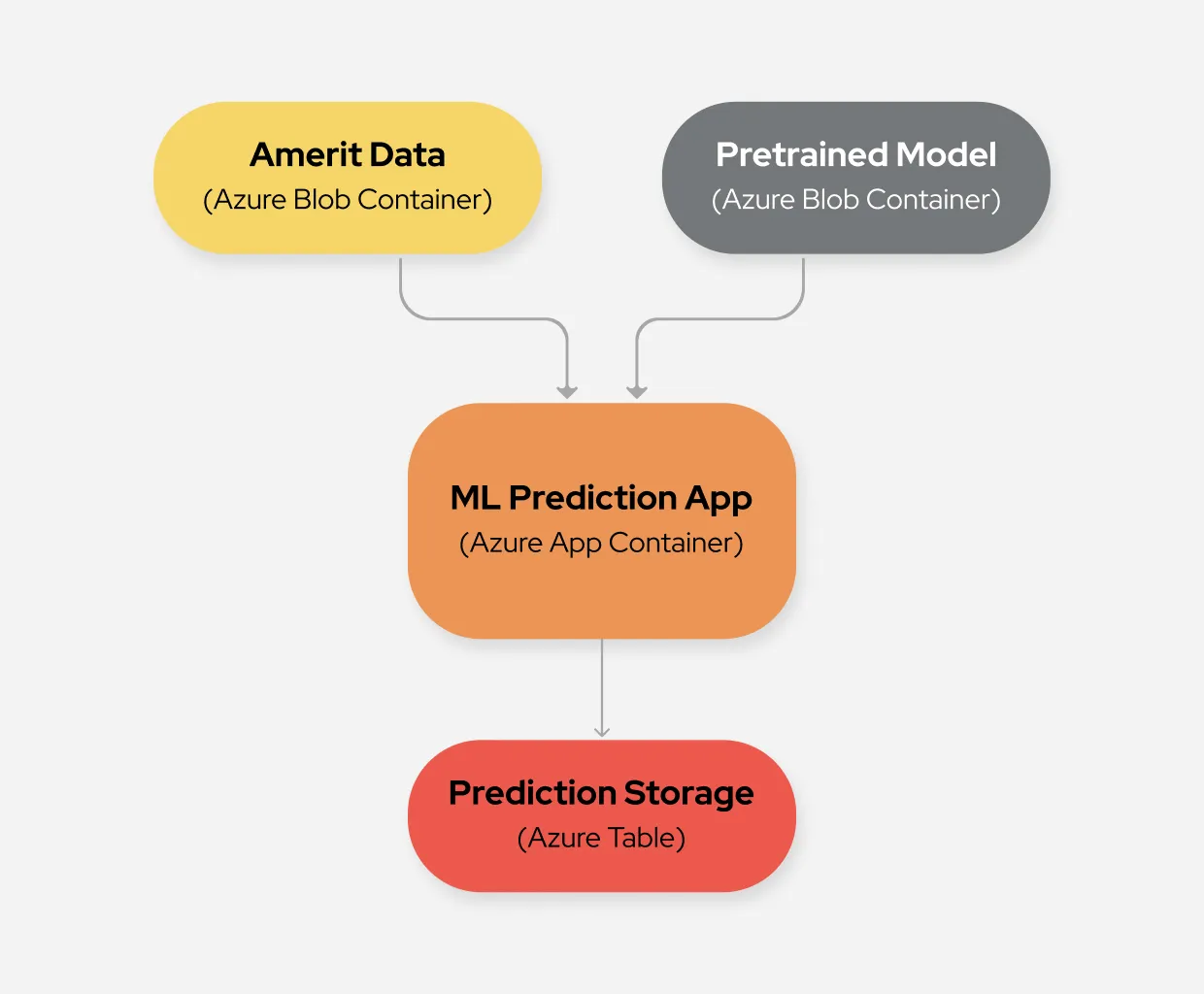
Instead of reviewing repair orders first-in-first-out, the model ranks them by cost-weighted risk and auto-clears the safe ones, so review capacity goes to the records most likely to be wrong.
1,000+
repair orders auto-categorized as low-risk
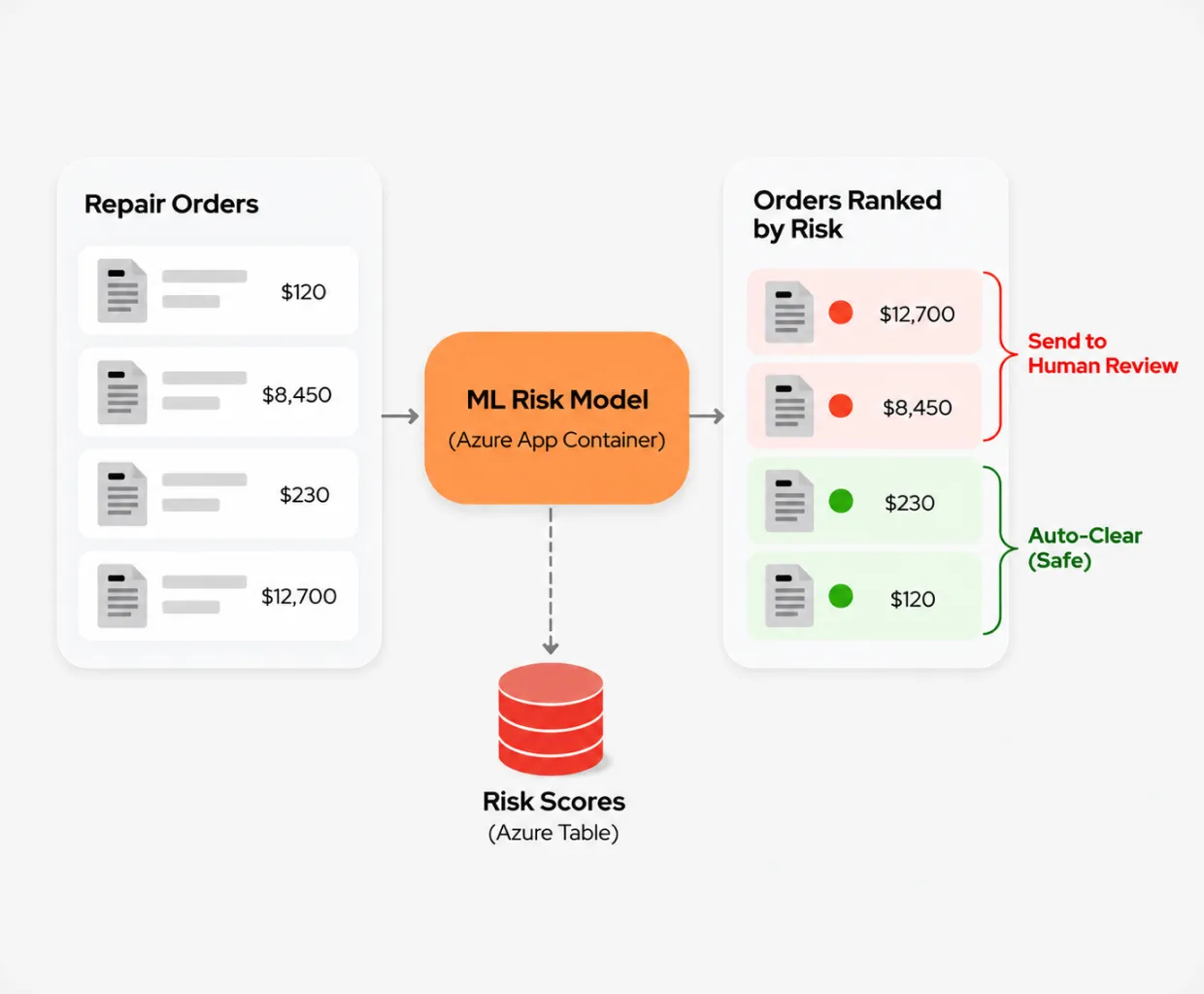
The ML model reduced the average time to detect errors in repair orders by 90%. The quality team now identifies and addresses issues across a few thousand daily work orders far faster than manual review allowed.
Mechanics no longer get a bare risk score. SHAP values and Z-score analysis explain what is off: an anomaly in parts or labor cost, and the specific areas worth checking. A flagged order arrives with a starting point, not a question.
The model's cost-benefit logic flagged 1,000+ repair orders as safe to skip manual review. Only 6 errors were missed in that batch, costing less than investigating all of them. The quality team now focuses on high-impact cases instead of reviewing every order.
Amerit saves at least six figures annually and dozens of hours of labor each day. The recurring commitment is measured in tens of thousands of dollars, instead of paying a team of data scientists seven figures to maintain a comparable system.

NineTwoThree delivered a quality check API that helped the client reduce the time spent reviewing orders by the quality team. The team provided timely items, responded well to needs, took action against potential blockers, and shared constant updates on the progress and results of their work.

Build a new platform, or add AI capabilities to existing software, we deliver solutions that work in real operational environments.
Meet with founders Andrew Amann & Pavel Kirillov

Custom AI implementation roadmap
No sales pressure