
Modernizing nuclear plant inspections with a mobile field assistant
.webp)
EPRI advances technology and operational practices across the electric sector
The Electric Power Research Institute (EPRI) conducts research, development, and demonstration projects that address challenges across the electricity sector. Its Nuclear Plant Modernization program explores new technologies and more effective operations and maintenance practices.
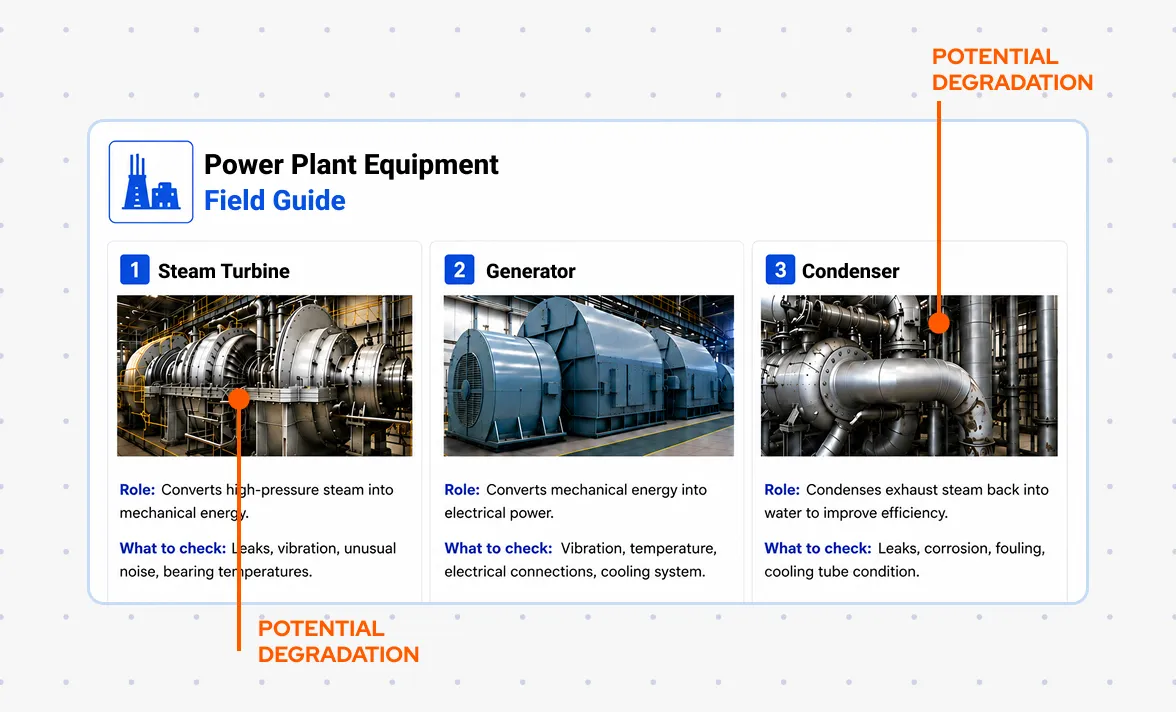
EPRI partnered with NineTwoThree to turn extensive aging assessment field guides into a searchable mobile resource. The platform helps inspectors access technical guidance at the equipment, document potential degradation through photographs, audio, notes, and comments, and keep every finding connected.
What we delivered
Knowledge Base
A mobile knowledge base that allows inspectors to search and preview relevant Aging Assessment Field Guide content while working at the equipment.
Mobile application
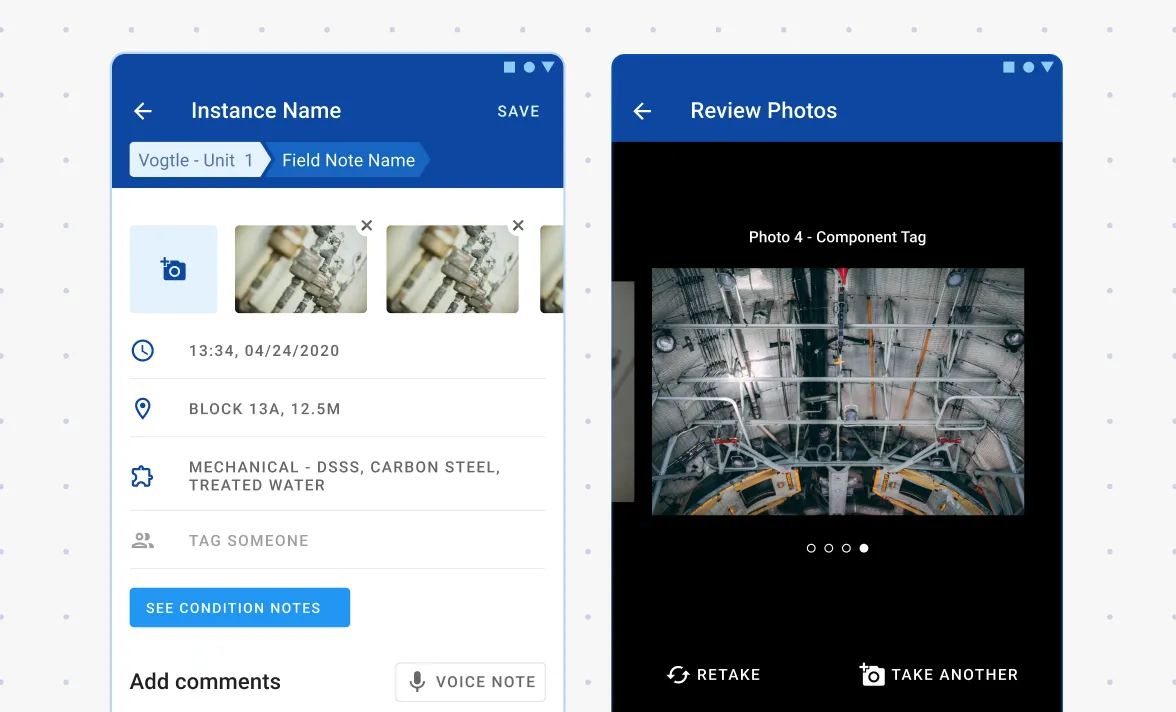
A field-ready application for documenting equipment conditions with photographs, audio recordings, voice-to-text notes, comments, and technical references.
Plant data model
A hierarchy of companies, plants, field notes, and equipment instances that gives every finding a defined location, owner, and history.
Governance
Role permissions, tagged collaborators, comments, notifications, plant documents, and synchronization.
Critical guidance was difficult to access in the field
EPRI’s field guides contained extensive technical guidance, but finding the right passage during an inspection required inspectors to know how a potential degradation had been classified.
Inspection context was captured across disconnected sources
Inspectors worked on the move, often recording observations before they could consult the relevant physical guide. Important details could be lost between observing a component, finding the appropriate guidance, and documenting the assessment.
Inspection evidence came in multiple formats
A single finding could include equipment details, photographs, audio, spoken notes, typed comments, and condition concerns. Without one shared record, evidence could become separated from the component and assessment it supported.
Findings needed to fit their existing architecture
Inspectors needed to access sensitive plant records in the field while ensuring each user’s identity was verified and newly captured data synchronized securely.
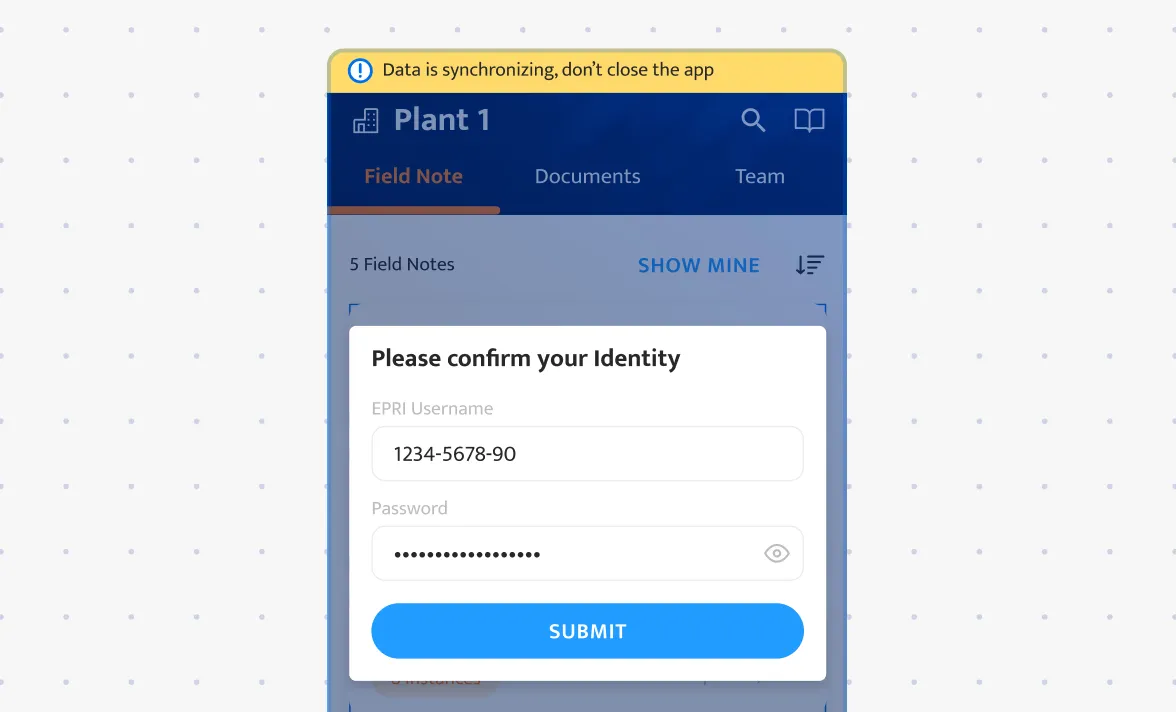
Built the platform around EPRI’s inspection workflow
We modeled the system around companies, plants, field notes, and equipment instances, then added the evidence, permissions, and review steps required by each role.
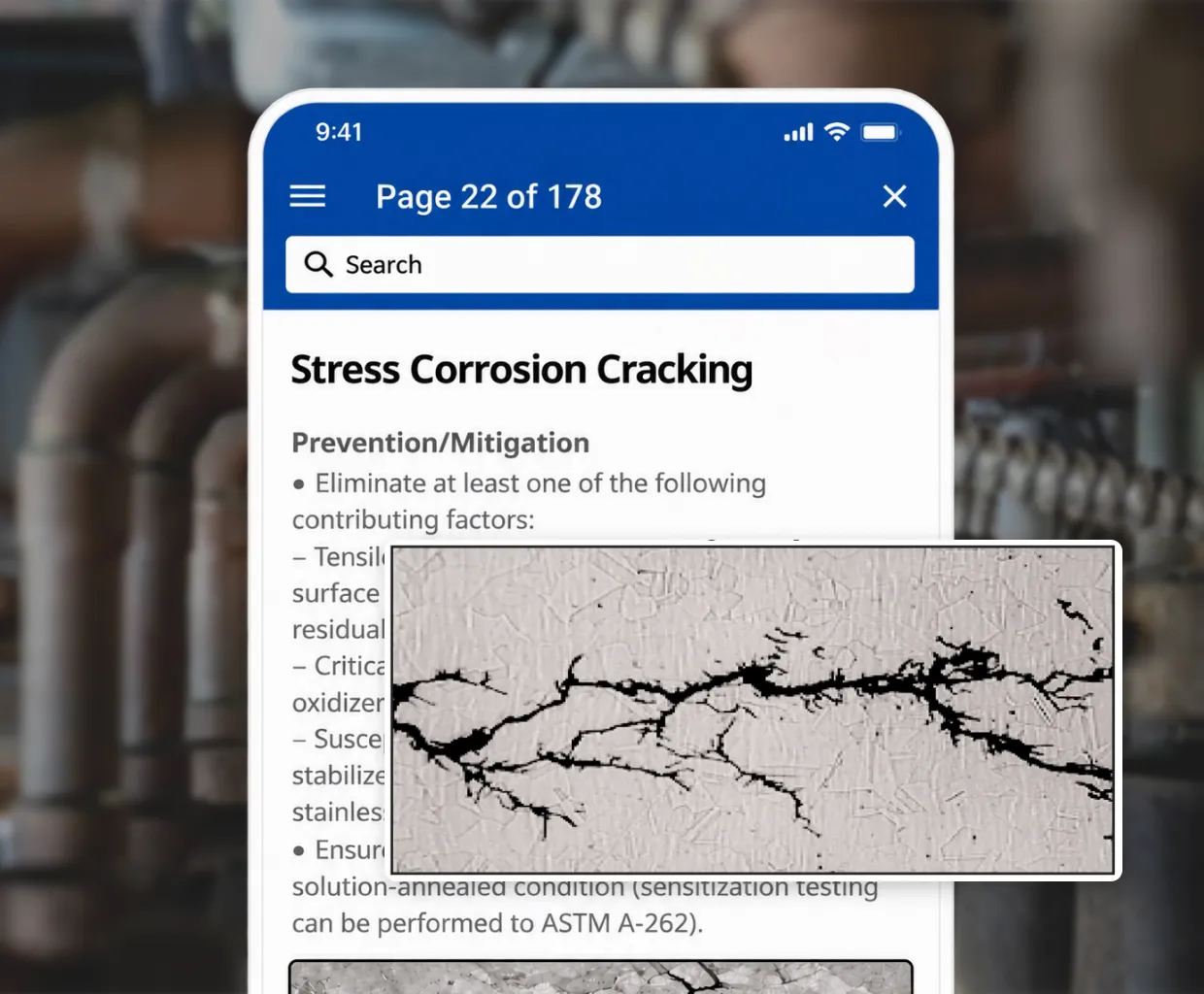
Made field guidance searchable at the point of inspection
Search and preview tools allow inspectors to find relevant Aging Assessment Field Guide content and link the applicable page or passage directly to an equipment instance.
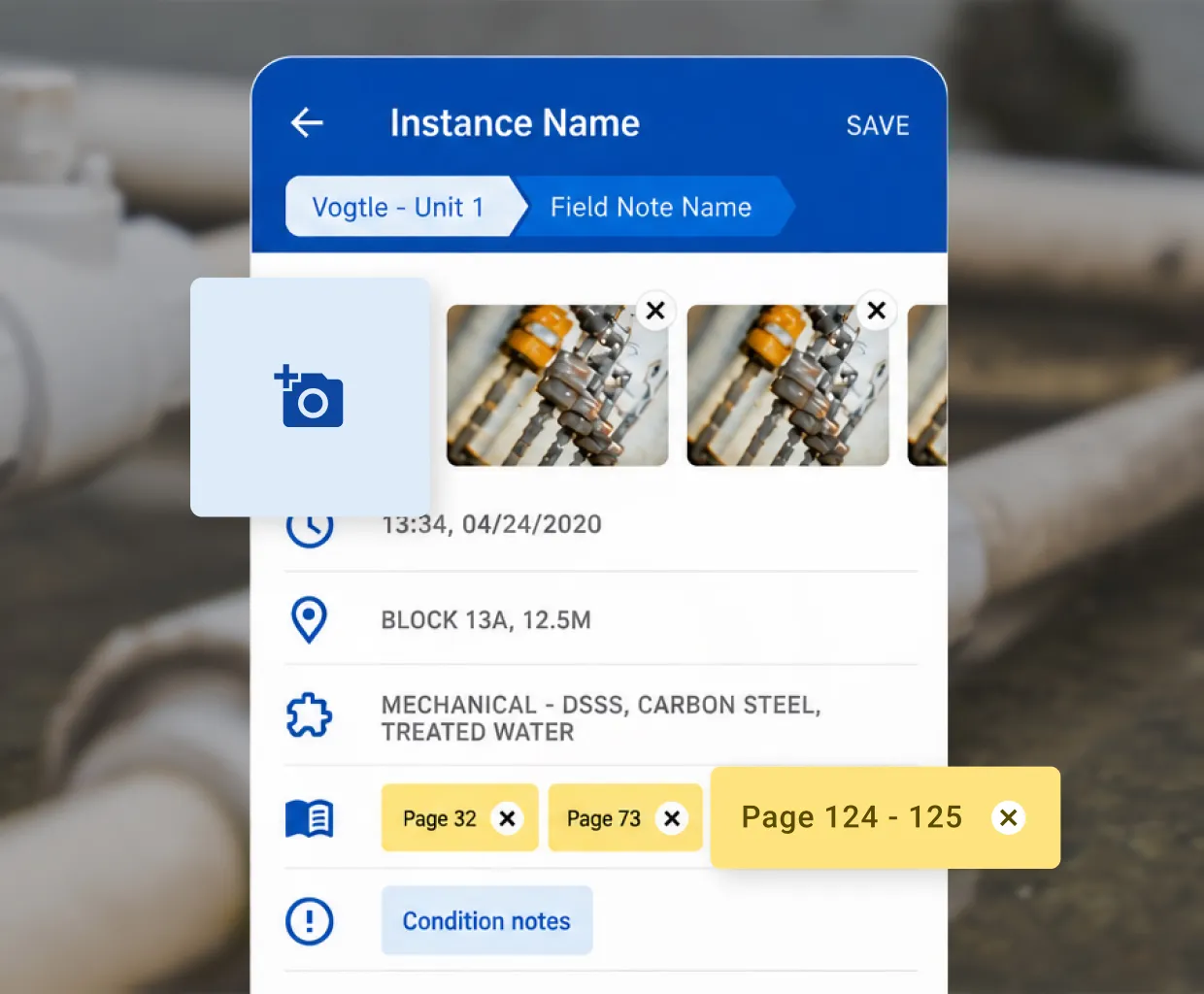
Captured multimodal evidence in one record
Inspectors can add photographs, audio, voice-to-text notes, comments, condition details, and technical references directly to the equipment instance instead of documenting them in separate systems.
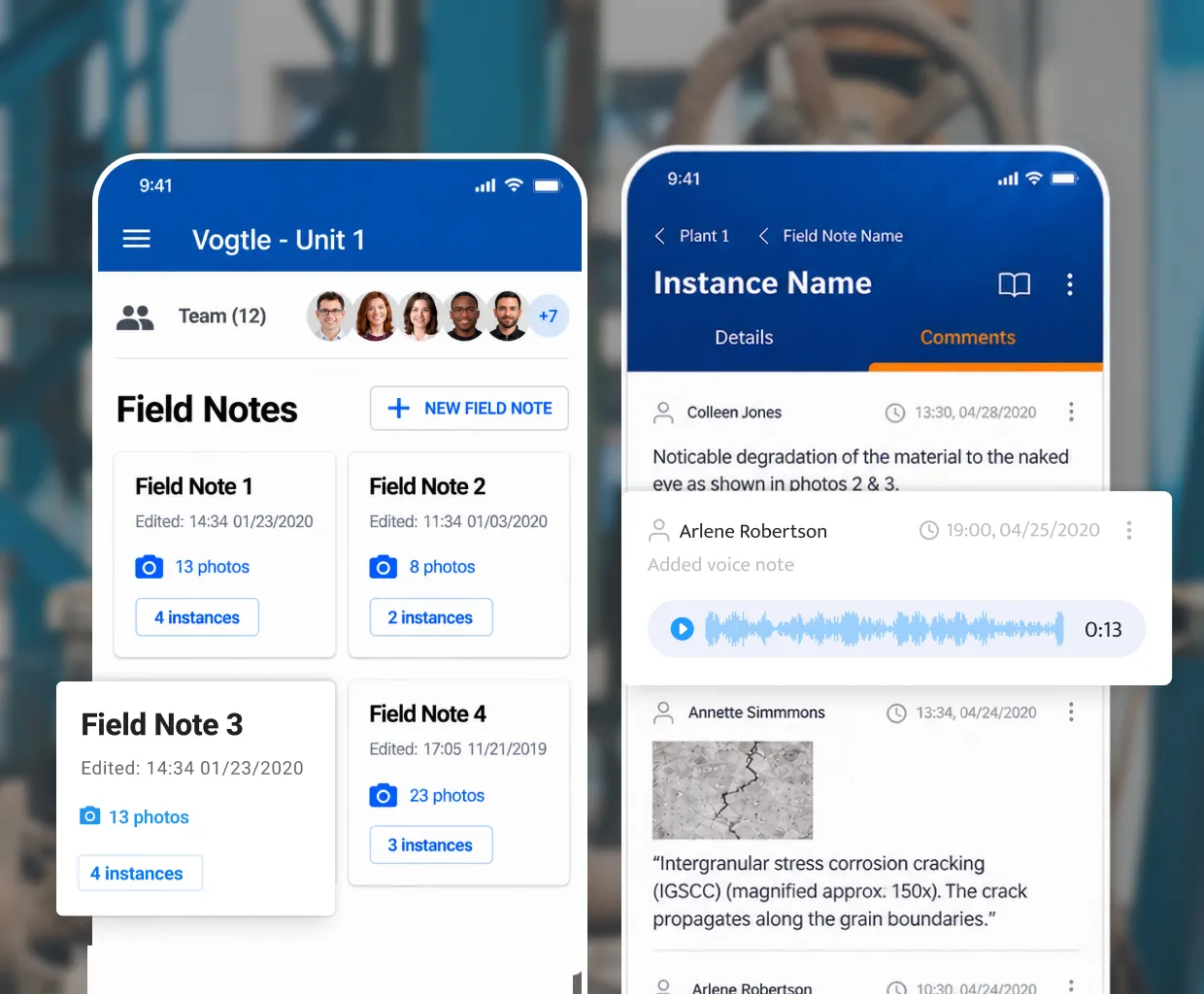
Preserved context through review and follow-up
Each field note and instance remains connected to the correct company and plant, with a searchable record of observations, supporting evidence, ownership, and updates.
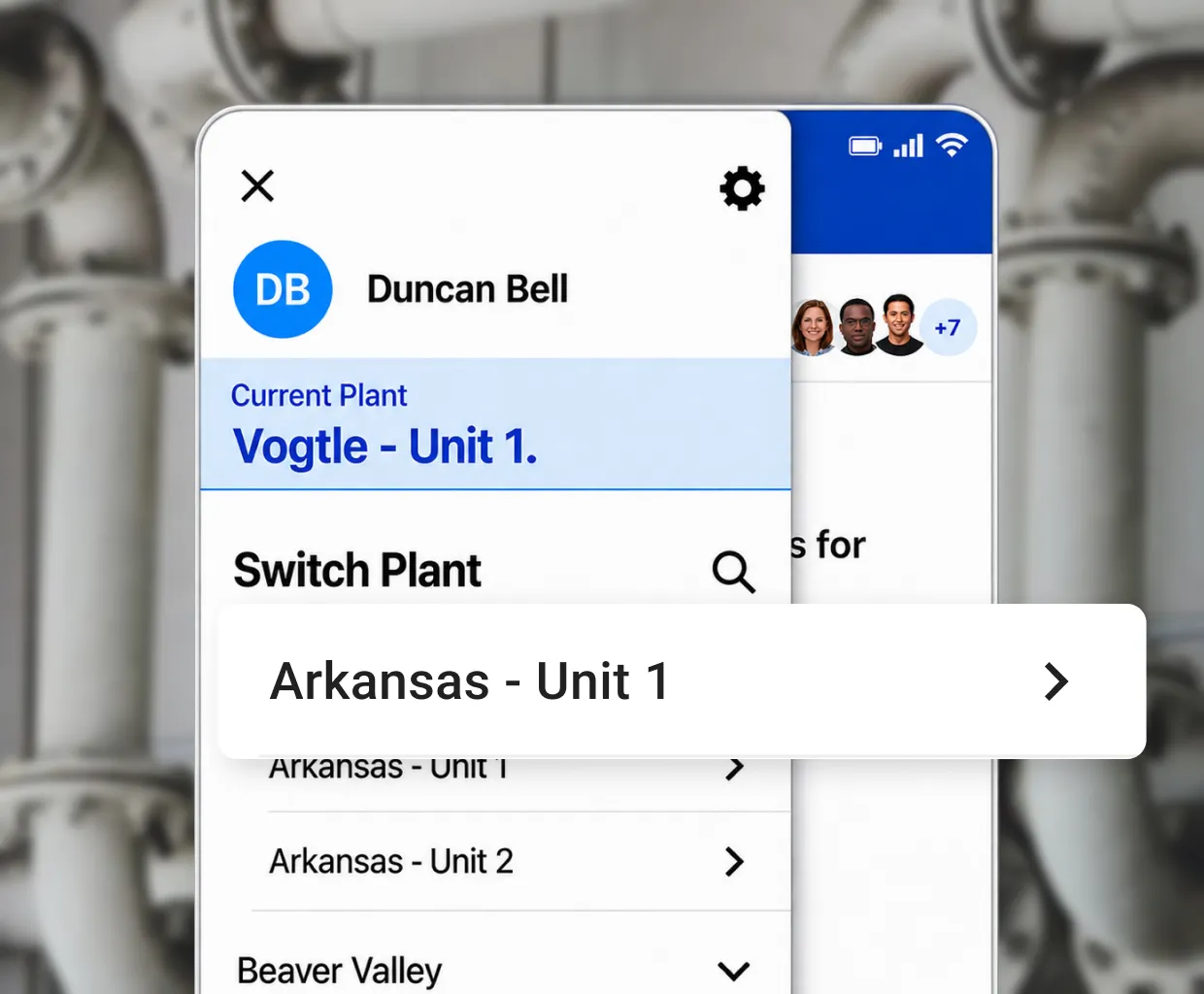
Simplified navigation across plants and units
Made it easy to switch between plants and units so inspectors can quickly access the correct equipment records and field guidance for their current location.
A faster, more consistent inspection workflow
Faster access to technical guidance
Inspectors can search relevant field guide content at the equipment instead of manually navigating physical reference material.
Comprehensive assessment records
Equipment details, photographs, condition notes, comments, references, documents, and follow-up actions remain attached to the relevant plant and equipment instance.
Consistent review and follow-up
Defined roles, collaborator tags, comments, and notifications give reviewers the context needed to assess and respond to each finding.
Reusable infrastructure
The platform creates a structured history of plant conditions, potential degradations, decisions, supporting evidence, and follow-up activity.
Similar case studies




Ready to become an AI-first company? Let’s connect.
Build a new platform, or add AI capabilities to existing software, we deliver solutions that work in real operational environments.
Meet with founders Andrew Amann & Pavel Kirillov

Custom AI implementation roadmap
No sales pressure
An award-winning AI development agency with a proven track record

